
 Save
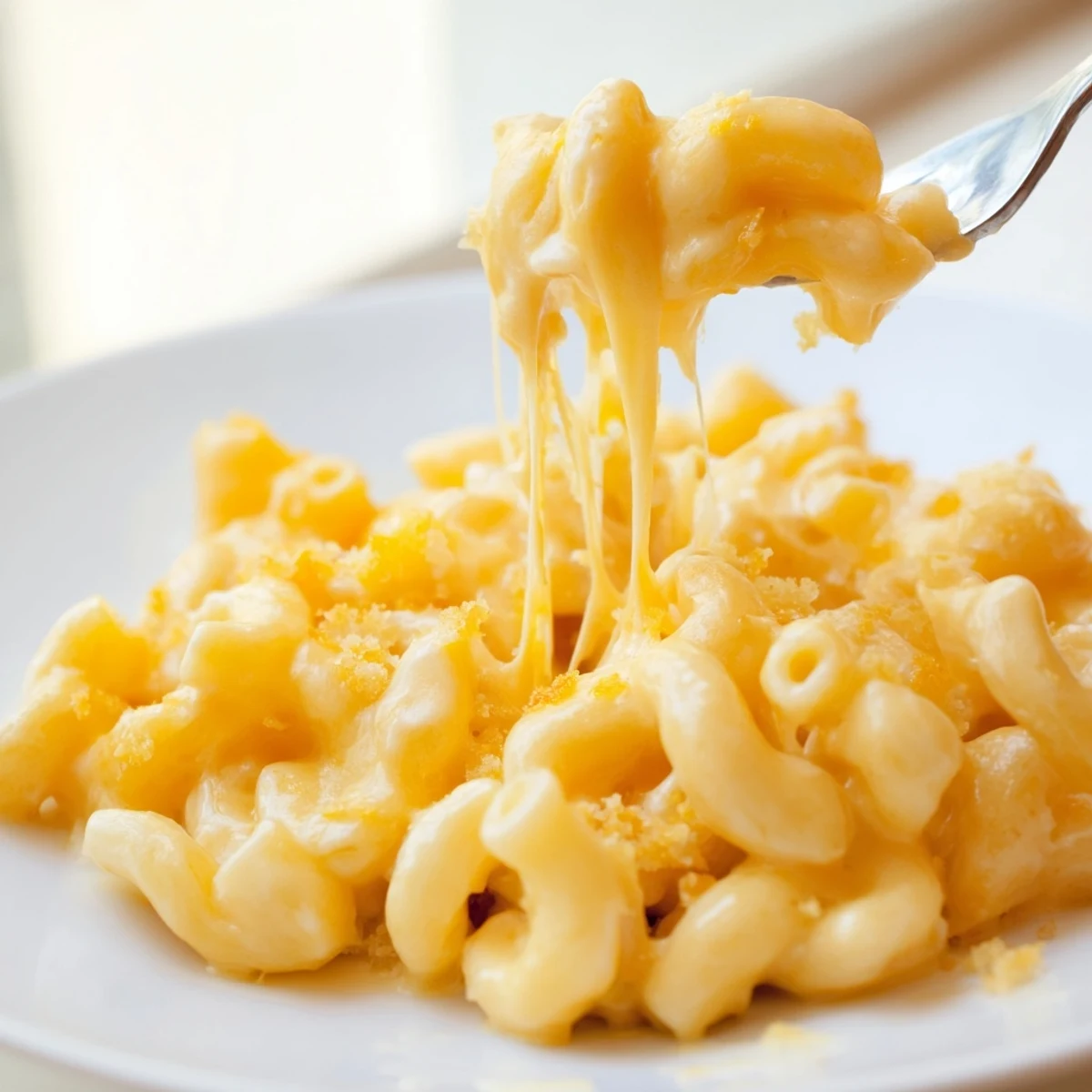
Save This classic pairs al dente elbow pasta with a roux-thickened milk sauce, enriched with sharp and mild cheddars and a touch of Dijon for brightness. Cook pasta until al dente, make a butter-and-flour roux, whisk in milk until thickened, stir in cheeses and combine with pasta. For a golden finish, sprinkle a breadcrumb-parmesan mix and bake briefly. Serves four; ready in about 45 minutes.
The rain was hammering against the kitchen window and the only reasonable response seemed to be a pot of mac and cheese. Not the kind from a box with that suspicious orange powder, but the real deal with a sauce that stretches when you pull your spoon through it. My grandmother would have called it therapy in a dish. She was right about most things involving butter and cheese.
I once made this for a friend who claimed she did not like mac and cheese and she quietly went back for thirds without a word.
Ingredients
- Elbow macaroni (300 g): The classic shape holds sauce in every little curve and nothing else quite matches it.
- Whole milk (2 cups): Full fat milk makes the sauce luxuriously smooth so do not be tempted to swap it for skim.
- Unsalted butter (2 tbsp): Gives the roux its toasty foundation and lets you control the salt level.
- All-purpose flour (2 tbsp): Thickens the milk into a proper sauce rather than a soupy mess.
- Sharp cheddar cheese (1 cup grated): Brings the bold tangy punch that makes every bite interesting.
- Mild cheddar cheese (1 cup grated): Balances the sharpness with creamy mellow flavor.
- Dijon mustard (1/2 tsp): A tiny amount that somehow makes the cheese taste more like itself.
- Salt and black pepper: Season gradually and taste as you go because cheese varies in saltiness.
- Breadcrumbs (1/4 cup, optional): For that irresistible crunchy cap on top.
- Melted butter (1 tbsp, optional): Helps the topping turn golden and crisp in the oven.
- Parmesan cheese (2 tbsp grated, optional): Adds a savory nutty edge to the breadcrumb crust.
Instructions
- Get the oven ready if baking:
- Set it to 180 degrees Celsius (350 degrees Fahrenheit) so it is hot and waiting when you need it.
- Cook the pasta:
- Boil the macaroni in salted water just until al dente since it will cook a little more later. Drain it well and set aside.
- Start the roux:
- Melt the butter in a saucepan over medium heat and whisk in the flour. Let it bubble for about a minute until it smells faintly toasted and looks pale golden.
- Build the sauce:
- Pour in the milk a little at a time whisking constantly to prevent lumps. Let it simmer gently for about four to five minutes until it coats the back of a spoon.
- Add the cheese:
- Drop the heat to low and stir in both cheddars and the Dijon mustard. Keep stirring until the cheese is completely melted and the sauce is silky smooth then season with salt and pepper to taste.
- Bring it all together:
- Fold the cooked pasta into the sauce making sure every piece is coated. If serving stovetop style you are done right here.
- Bake if you want that crunch:
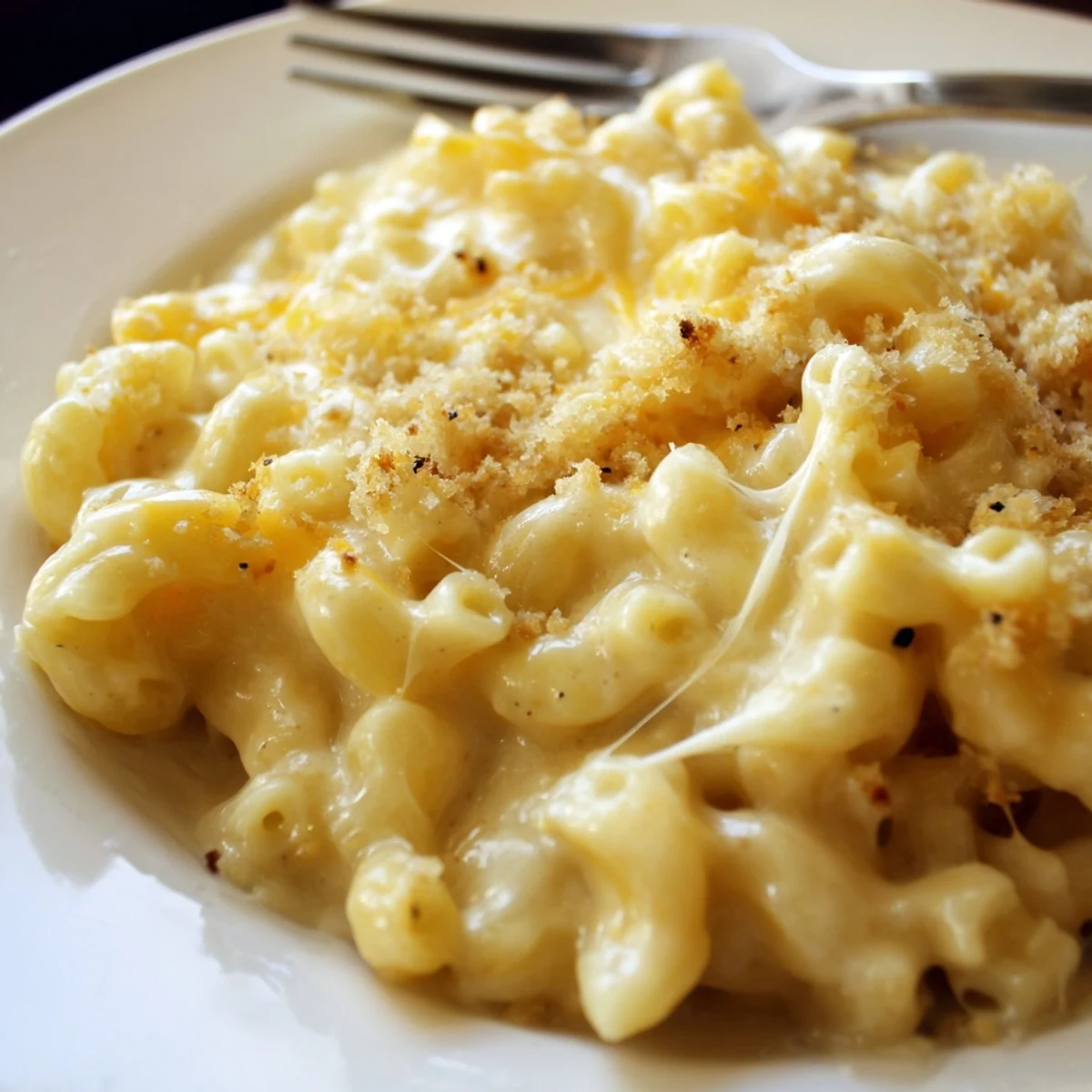
- Transfer the mixture to a greased baking dish. Toss the breadcrumbs with melted butter and parmesan and scatter them over the top. Bake for fifteen to twenty minutes until the crust is deeply golden and irresistible.
 Save
Save There is something about carrying a bubbling dish of mac and cheese to the table that makes everyone sit up straighter and stop whatever conversation they were having.
Mix Ins and Variations
This recipe is a blank canvas and I have thrown in everything from crispy bacon bits to caramelized onions depending on what was hanging around the fridge. A few drops of hot sauce stirred into the cheese sauce will wake up the flavors without making it spicy. You could also try Gruyere or Monterey Jack in place of one of the cheddas for a different personality entirely.
Making It Gluten Free
Swap the pasta for your favorite gluten free brand and use a one to one gluten free flour blend in the roux. The texture will be slightly different but the cheese carries the dish regardless. Just check your breadcrumb topping too or skip it entirely for a purely stovetop version.
Tools and Timing
You really only need a large pot for pasta, a saucepan for the sauce, a whisk, and a baking dish if you are going the oven route. A box grater is worth using instead of pre-shredded bagged cheese because the fresh stuff melts into a smoother sauce. The whole process from boiling water to serving takes about forty five minutes.
- Grate your cheese fresh for the best melting results.
- Taste the sauce before adding the pasta because adjustment is easier at that stage.
- Let the baked version rest for five minutes before serving so the sauce settles.
 Save
Save Some dishes simply make people feel cared for and this is one of them. Share it generously and watch the room go quiet.
Recipe FAQs
- → How do I prevent the sauce from becoming grainy?
-
Shred cheese finely and add it off the heat over low temperature so it melts gently. Avoid boiling once cheese is added and stir constantly for a smooth finish.
- → Which cheeses work best for a creamy texture?
-
A combination of sharp and mild cheddar gives flavor and meltability; add Gruyère or Monterey Jack for nuttiness and extra creaminess.
- → Can I swap the pasta shape?
-
Yes. Use shapes with nooks like shells, cavatappi or penne to hold sauce well; adjust boiling time to maintain al dente texture.
- → How can I thicken or thin the cheese sauce?
-
To thicken, cook the roux slightly longer or simmer the sauce gently to reduce. To thin, whisk in a splash of milk until you reach the desired consistency.
- → What gives the topping a crisp golden finish?
-
Toss breadcrumbs with melted butter and grated Parmesan, spread evenly and bake or broil briefly until golden and crunchy.
- → How should leftovers be stored and reheated?
-
Cool and refrigerate in an airtight container for up to 3 days. Reheat on the stovetop with a splash of milk, stirring until smooth, or warm in the oven until hot throughout.