
 Save
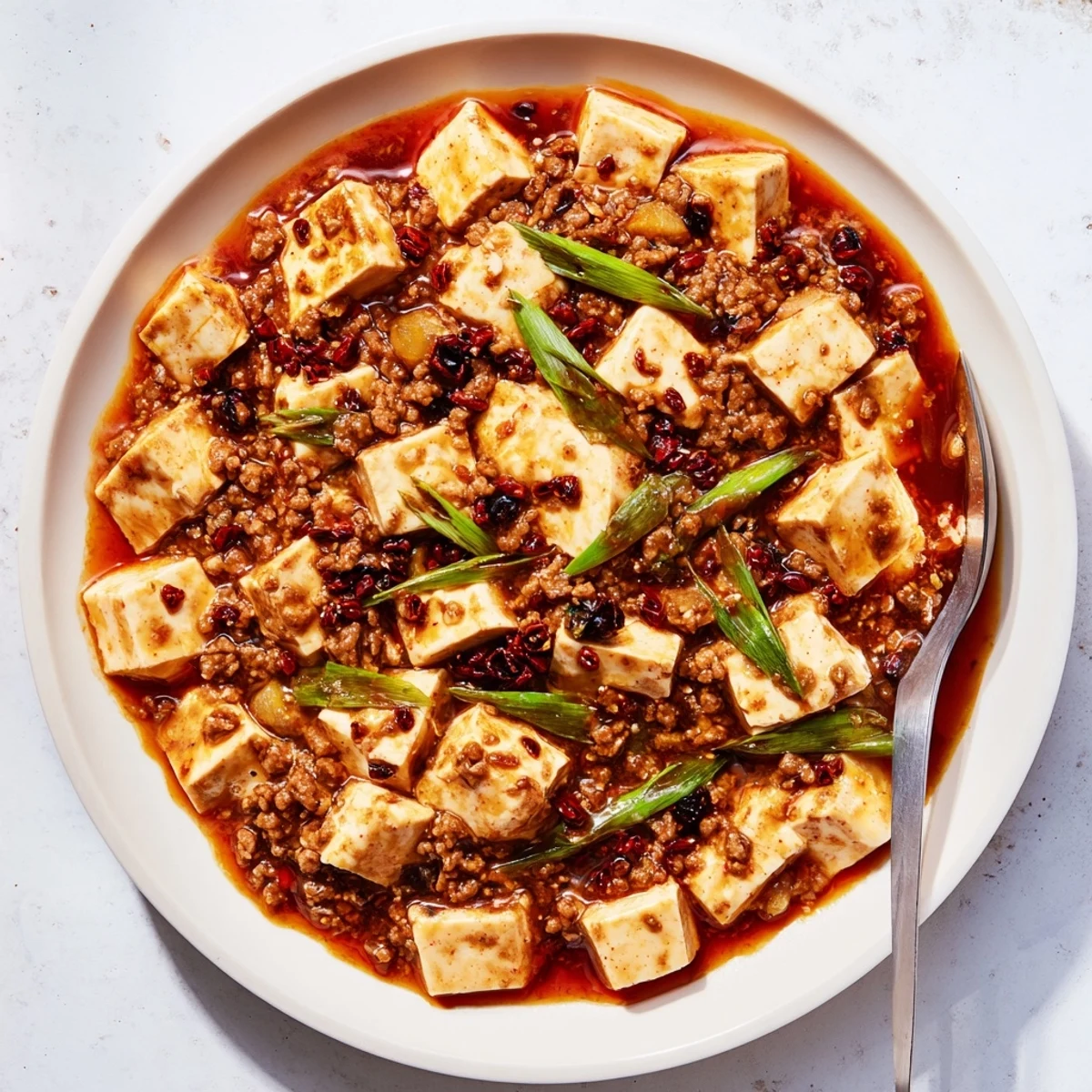
Save This beloved Sichuan specialty combines tender tofu cubes with savory ground pork in a fiery, aromatic sauce. The dish gets its characteristic numbing sensation from freshly toasted Sichuan peppercorns, while fermented broad bean paste and black beans create deep, complex umami flavors. The silky tofu absorbs the rich, spicy broth, resulting in a satisfying contrast of textures. Perfect served over steamed rice, this restaurant-quality dish comes together in under 40 minutes and offers an authentic taste of Chinese culinary tradition.
The first time mapo tofu appeared on my dinner table, I took one bite and felt that strange tingling sensation spread across my tongue. I had no idea what was happening, that the Sichuan peppercorns were doing their famous numbing dance. My friend just laughed and said get used to it, its the whole point. Now I crave that sensation whenever the weather turns cold.
Last winter my roommate came home from work looking completely defeated. I had just started simmering the sauce, the doubanjiang frying until the oil turned that deep red color. She walked through the door and stopped mid complaint, asking what that incredible smell was. We ate standing up in the kitchen, too hungry to bother with proper plates.
Ingredients
- Soft or medium firm tofu (400 g): Firm tofu holds its shape better during simmering, but still yields that silky texture
- Ground pork (200 g): The fat content keeps everything rich and helps carry the spices
- Vegetable oil (2 tablespoons): A neutral oil lets the chili paste and aromatics shine without competing flavors
- Garlic and ginger: Fresh aromatics form the backbone, so do not substitute with powder
- Doubanjiang (2 tablespoons): This fermented broad bean paste is non negotiable for authentic flavor
- Fermented black beans (1 tablespoon): Rinse them first to remove excess salt, then chop roughly
- Soy sauce, Shaoxing wine, and sugar: This trio balances salt, depth, and sweetness
- Broth (250 ml): Low sodium is best since the other ingredients pack plenty of salt
- Sichuan peppercorns (1 teaspoon): Toast them in a dry pan before grinding to wake up their citrusy aroma
- Chili oil (1 teaspoon): Start with less if you are sensitive to heat, you can always add more
- Cornstarch slurry: Mix this right before adding so it does not settle
- Scallion greens: Save these for the end to keep them fresh and bright
Instructions
- Prep the tofu:
- Cut into 2 cm cubes and let them soak in hot salted water for 5 minutes. This simple step firms up the tofu so it does not break apart during cooking.
- Brown the pork:
- Heat oil in a large skillet over medium high heat and add the ground pork. Break it up thoroughly and cook until no longer pink, about 3 minutes.
- Add aromatics:
- Toss in the garlic, ginger, and white parts of the scallions. Cook for just 1 minute until fragrant, taking care not to burn the garlic.
- Bloom the paste:
- Stir in the doubanjiang and fermented black beans. Fry for 1 to 2 minutes until the oil turns red and smells incredible.
- Build the sauce:
- Pour in the soy sauce, Shaoxing wine, sugar, and broth. Let everything come to a gentle simmer.
- Simmer the tofu:
- Gently add the tofu cubes and cook for 5 to 7 minutes. The tofu will absorb the sauce as it bubbles away.
- Season and thicken:
- Stir in the chili oil and ground Sichuan peppercorns, then pour in the cornstarch slurry. Simmer for 1 to 2 minutes until the sauce coats the back of a spoon.
- Finish and serve:
- Taste and adjust seasoning if needed, then garnish with fresh scallion greens and extra ground peppercorns. Serve immediately with steamed rice.
 Save
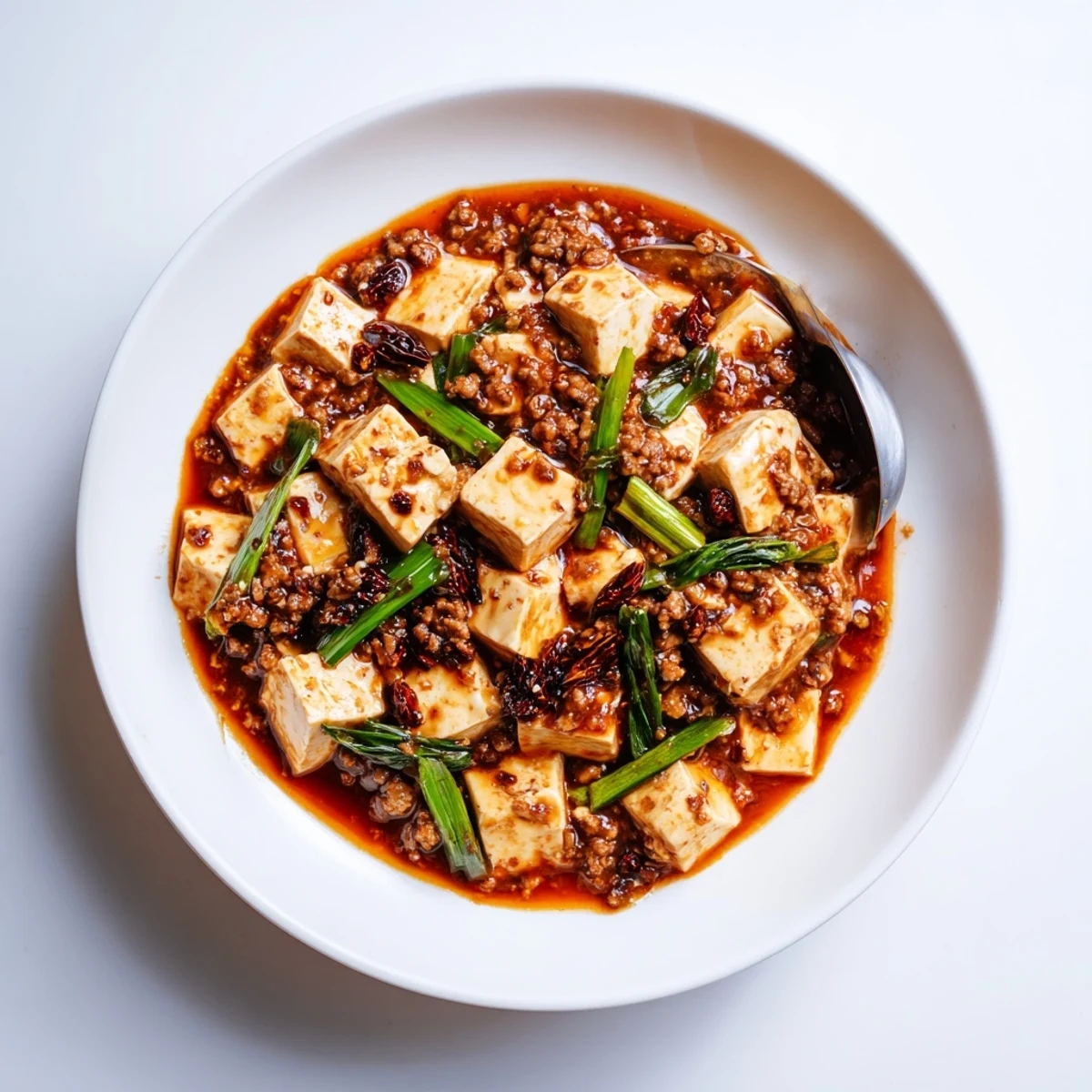
Save My grandmother always said a good mapo tofu should make you sweat a little but still want another bite. It is about that balance where heat enhances rather than overwhelms. I have learned to taste as I go and trust my own tolerance more than any recipe measurement.
Getting the Texture Right
The difference between mediocre and excellent mapo tofu often comes down to how you handle the tofu. I have found that gentle folding motions with a spatula work better than stirring, which can break the cubes apart. The cornstarch slurry should be added at the very end and stirred constantly to prevent clumping.
Heat Level Adjustments
Start with less chili oil and Sichuan peppercorns if you are unsure, then taste and add more. The heat builds as it cooks, so what seems mild at first can become quite intense by the end. I keep extra steamed rice handy to cool things down when I have been too generous with the spices.
Make It Your Own
This recipe adapts beautifully to different proteins and dietary needs. I have made it with ground chicken, turkey, and even finely chopped mushrooms for a vegetarian version that still feels substantial. The key is maintaining that ratio of protein to sauce so every component stays coated and flavorful.
- Try adding a handful of peas or bell peppers for color and sweetness
- Make extra sauce, it keeps in the fridge for a week and tastes even better after the flavors meld
- Reheat gently with a splash of water to loosen the sauce without breaking the tofu
 Save
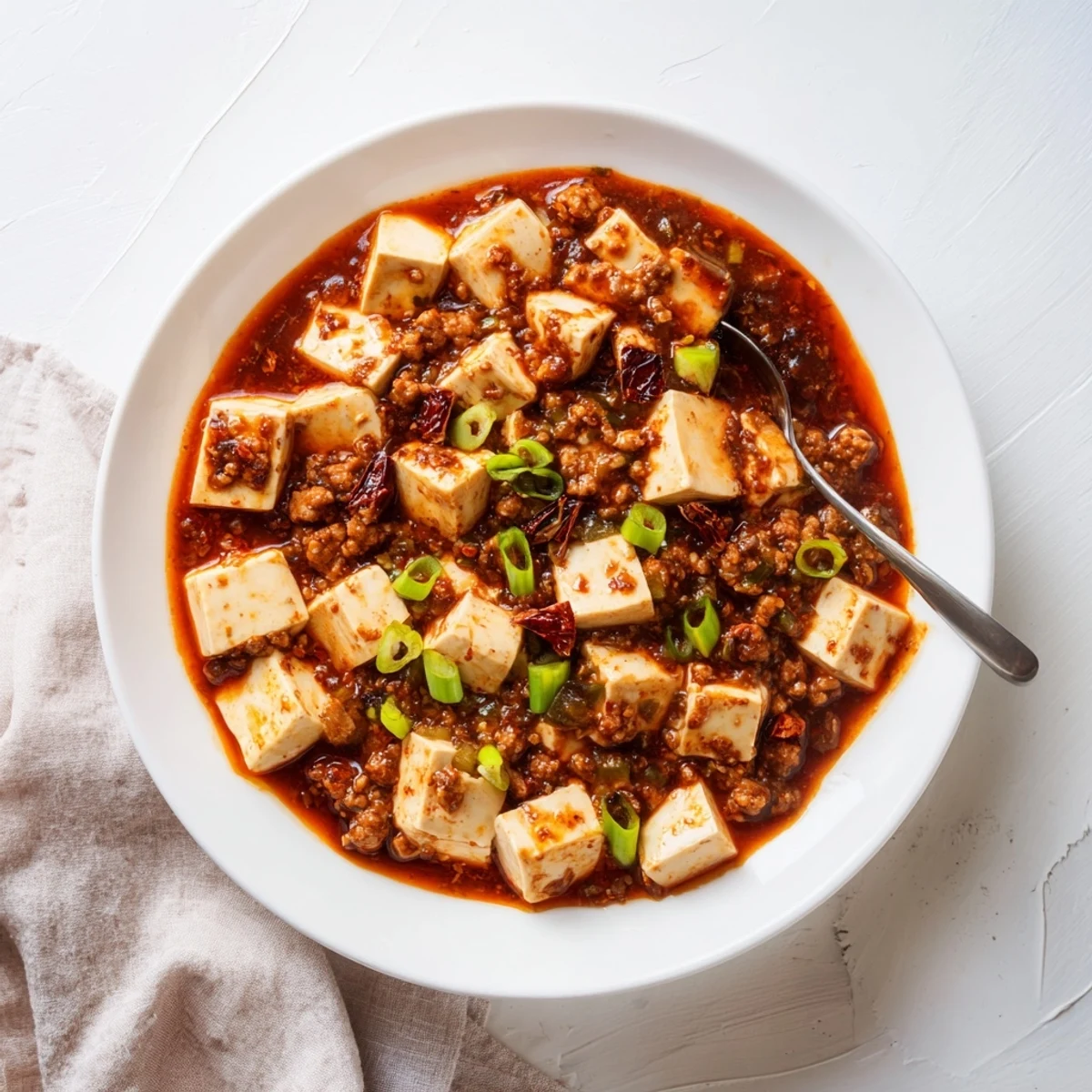
Save This dish has become my go to when I need something comforting but exciting. Hope it finds a regular spot in your kitchen rotation too.
Recipe FAQs
- → What makes Mapo Tofu authentic?
-
Authentic Mapo Tofu relies on key ingredients like doubanjiang (fermented broad bean chili paste), fermented black beans, and Sichuan peppercorns. These create the distinctive numbing heat and complex umami profile that defines this classic Sichuan dish.
- → How spicy is this dish?
-
The spice level is medium to high, coming from doubanjiang and chili oil. The Sichuan peppercorns add a unique numbing sensation rather than pure heat. You can easily adjust both components to suit your preference.
- → Can I make it vegetarian?
-
Absolutely. Simply omit the ground pork and substitute with plant-based mince or finely chopped shiitake mushrooms. Use vegetable broth instead of chicken broth to maintain the depth of flavor.
- → Why soak tofu in salted water?
-
Soaking tofu in hot, lightly salted water helps firm the texture and removes excess moisture. This prevents the tofu from breaking apart during cooking and allows it to better absorb the flavorful sauce.
- → What should I serve with Mapo Tofu?
-
Steamed jasmine rice is the traditional accompaniment, perfectly balancing the spicy, bold flavors. Blanched greens like bok choy or Chinese broccoli also make excellent sides to round out the meal.
- → How do I store leftovers?
-
Store in an airtight container in the refrigerator for up to 3 days. Reheat gently over low heat, adding a splash of water if the sauce has thickened too much. The flavors often deepen overnight.