
 Save
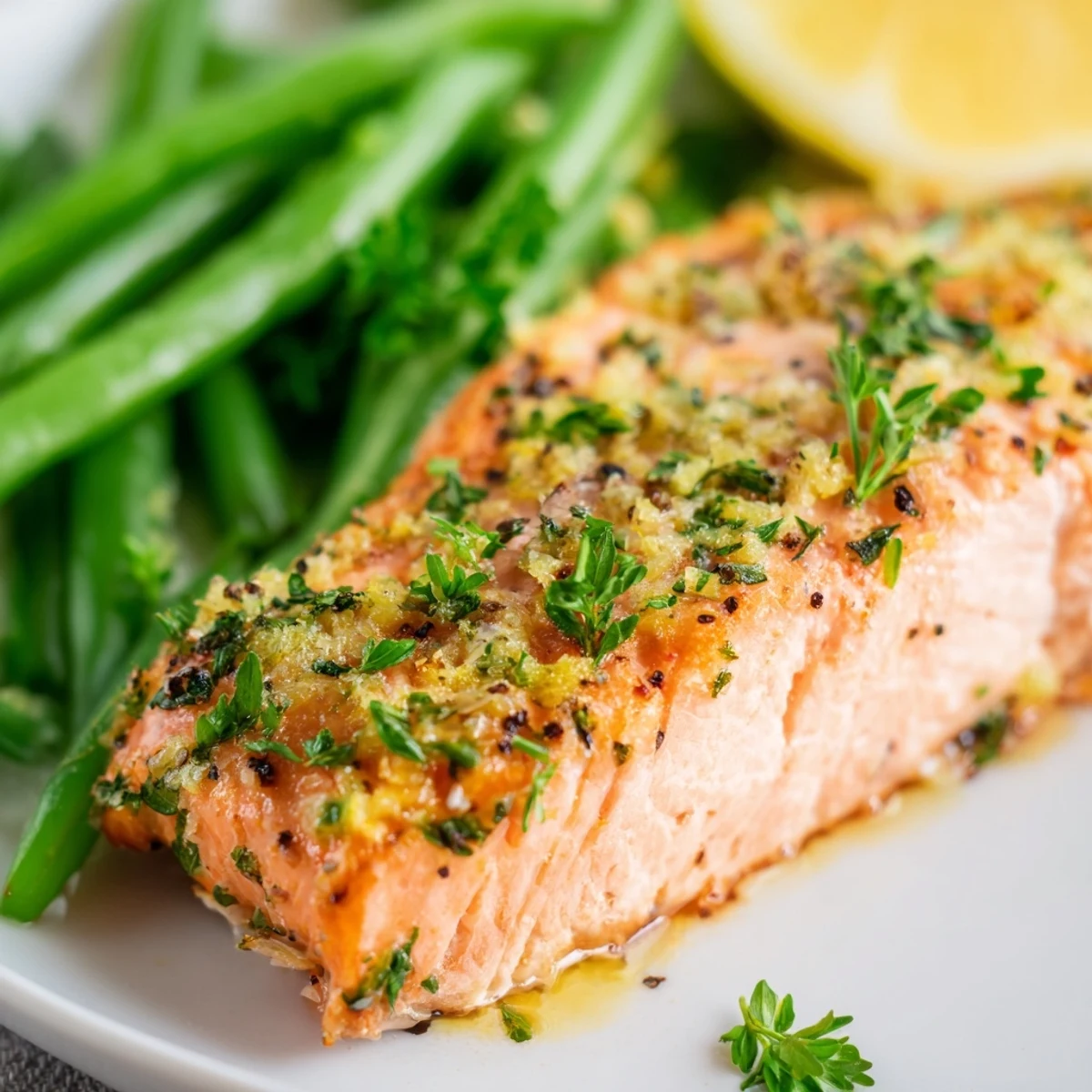
Save This easy sheet pan dinner features juicy salmon fillets paired with fresh green beans, both roasted to perfection with zesty lemon, garlic, and thyme. The method keeps the fish moist and the vegetables crisp, creating a balanced and nutritious meal ready in just 30 minutes. Ideal for a quick yet vibrant main dish that highlights natural flavors and simple preparation.
There's something about the smell of lemon and salmon hitting a hot pan that makes even a hectic weeknight feel manageable. I discovered this sheet pan version years ago when I was trying to get dinner on the table in under thirty minutes, and it's somehow become the dish I reach for when I want something that tastes restaurant-quality but doesn't demand much from me. The green beans roast alongside the fish, soaking up all that herby, citrus-forward flavor, and by the time everything hits the plate, you forget you barely spent any time in the kitchen.
I remember making this for a friend who had just started eating fish again after years of being vegetarian, and she kept asking what restaurant I'd ordered from. When I told her it was literally just salmon, green beans, and lemon on a sheet pan, her face changed—that moment when someone realizes good food doesn't have to be complicated or stressful to make.
Ingredients
- Salmon fillets (4, about 150g each): Look for fillets that feel firm and smell like the ocean, not fishy; skin-on keeps everything moist during roasting.
- Fresh green beans (400g): Trim the stem ends but leave them whole so they don't shrivel down to nothing in the oven.
- Olive oil (2 tbsp): Good quality here makes a difference; this is your main flavor carrier.
- Lemon: Use a fresh one for both zest and juice; the oils in the zest are what make this dish sing.
- Garlic (2 cloves, minced): Fresh garlic matters, and mincing it small lets it infuse the oil evenly.
- Dried thyme (1 tsp) or fresh thyme: Thyme's earthiness balances the bright citrus perfectly.
- Sea salt and black pepper: Don't skip seasoning; it wakes up everything on the pan.
- Lemon wedges and fresh parsley: These finish the plate and add a fresh brightness at the end.
Instructions
- Heat your pan and prep your space:
- Preheat the oven to 200°C (400°F) and line your sheet pan with parchment paper—this keeps the salmon from sticking and makes cleanup effortless. Trust me on this one.
- Mix your marinade:
- Whisk together the olive oil, lemon zest, lemon juice, minced garlic, thyme, salt, and pepper in a small bowl. You want everything to smell bright and herbaceous; take a moment and actually smell it.
- Arrange your vegetables:
- Spread the green beans across one side of the sheet pan and drizzle them with half the marinade. Toss them with your hands to coat every piece; they'll roast more evenly this way.
- Position the salmon:
- Place the salmon fillets on the other side of the pan, skin-side down if keeping the skin. Brush each fillet with the remaining marinade, making sure the tops are generously coated.
- Roast everything together:
- Slide the pan into the oven for 15–20 minutes; the salmon will go from translucent to opaque and should flake gently when you nudge it with a fork. Green beans should still have a slight snap when you bite them.
- Finish and serve:
- Remove from the oven and plate everything while it's still warm. A sprinkle of fresh parsley and a wedge of lemon on the side lets everyone finish their own plate the way they like it.
 Save
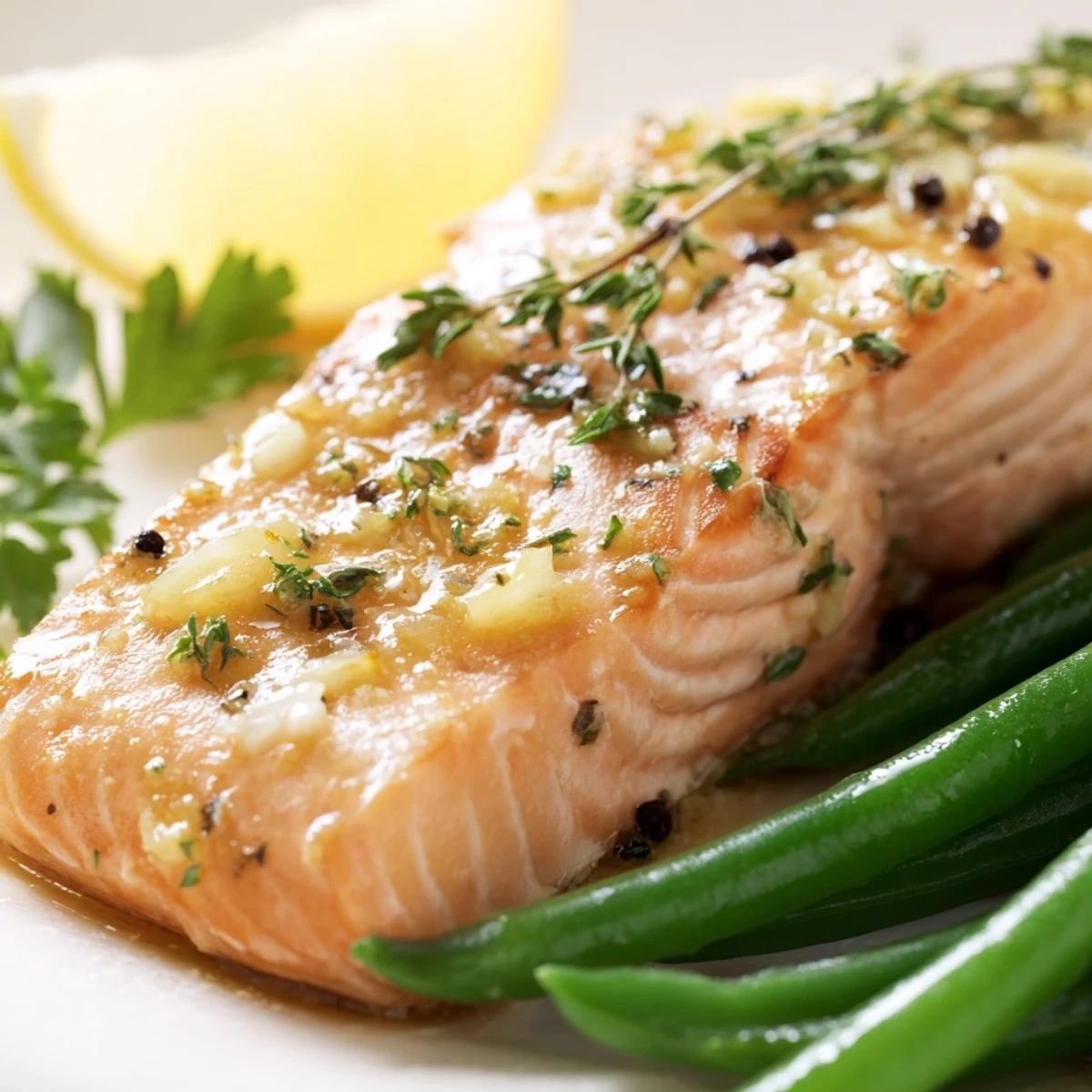
Save What gets me about this dish is how it turned my skeptical teenager into someone who actually asks for salmon. That shift from "do I have to" to "can we make that again" happened quietly, over several weeknight dinners, and now it's become our shorthand for an easy win.
Why This Works as a Weeknight Dinner
The beauty of sheet pan cooking is that everything steams and roasts together, which means the green beans absorb all that lemon and garlic without you having to fuss with multiple pots. Your oven does the actual cooking while you can set the table, pour a drink, or just breathe for fifteen minutes. By the time you're ready to eat, you've got a complete, elegant dinner with almost no cleanup.
Variations That Actually Work
I've roasted asparagus instead of green beans and it's equally delicious, though it cooks a few minutes faster so keep an eye on it. Cherry tomatoes add color and burst with sweetness when they roast; just toss them in during the last five minutes so they don't collapse. Sliced almonds scattered over the top at the end add a crunch that feels like a small luxury for zero extra effort.
Serving and Pairing
Serve this with something light on the side—a simple grain like quinoa or rice if you want, though honestly, the lemon and salmon are bright enough to stand alone. A cold glass of Sauvignon Blanc or Pinot Grigio pulls all the flavors together, and if you have fresh bread to wipe your plate clean at the end, that's the dinner win right there.
- If you're feeding people who like more substance, serve alongside roasted potatoes or crusty bread.
- Leftovers are good cold the next day, crumbled over a salad with extra lemon juice.
- Double the marinade if you like saucier food; it gets absorbed beautifully and adds richness.
 Save
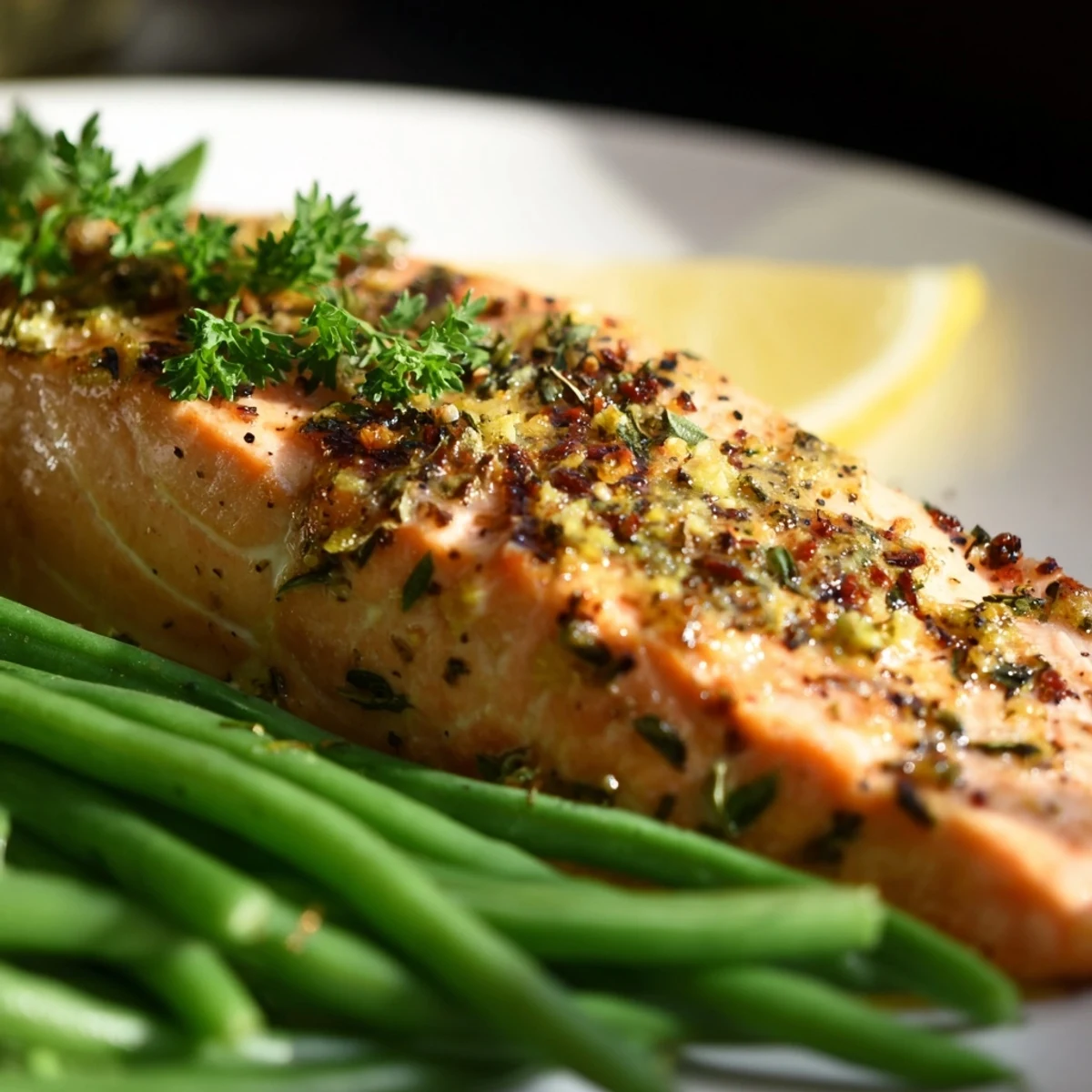
Save This is the kind of recipe that reminds you why cooking at home matters—it's fast, it tastes good, and it leaves you feeling like you actually took care of yourself and the people you're feeding. Make it once and you'll be reaching for it again and again.
Recipe FAQs
- → What temperature is best for roasting salmon and green beans?
-
Roast at 200°C (400°F) to ensure the salmon cooks evenly and the green beans develop a tender-crisp texture.
- → Can I use frozen green beans instead of fresh?
-
Fresh beans are preferred for crispness, but frozen can be used if thawed and patted dry to avoid excess moisture.
- → How can I tell when the salmon is perfectly cooked?
-
The salmon is done when it flakes easily and has an internal temperature between 52–57°C (125–135°F).
- → What herbs complement the salmon and green beans?
-
Thyme works beautifully, providing subtle earthiness that enhances the lemon and garlic flavors.
- → Can I add other vegetables to this dish?
-
Yes, cherry tomatoes, asparagus, or broccoli make excellent additions or substitutions for variety.