
 Save
Save Whisk together soy sauce, olive oil, Worcestershire, balsamic vinegar, lemon juice, minced garlic, Dijon, brown sugar, black pepper, rosemary, and onion powder until smooth. Pour over steaks in a bag or dish, turn to coat, and refrigerate 2-24 hours, turning occasionally, to tenderize and deepen flavor. Before cooking, pat steaks dry and discard used marinade. Grill, broil, or pan-sear to preferred doneness and rest briefly before slicing. Swap honey for brown sugar, add crushed red pepper for heat, and use tamari and gluten-free Worcestershire for gluten-free needs. Pairs well with bold red wines and simple sides.
The sharp tang of Worcestershire sauce always reminds me of the evening I first tried tinkering with steak marinades at home the windows slightly open to let in a warm summer breeze. I was determined to coax restaurant flavors out of a modest cut picked up on impulse. The sizzle and aroma that followed convinced me some combinations are worth chasing until they’re just right. Over time this simple ritual turned into my signature move before any grill night with friends.
I made this marinade on a whim for an impromptu backyard cookout when my brother dropped by unannounced and our conversation drifted from life plans to silly kitchen debates about the right amount of garlic. Each steak soaked up the mix differently and by the time we sat down laughter and that garlicky aroma had everyone curious. We gave up on formality and carved the hot steaks right at the picnic table, just to taste which piece won.
Ingredients
- Soy sauce: It’s the foundation, adding depth and a salty backbone—choose a good one for richer flavor.
- Olive oil: This keeps the steak moist and helps the marinade cling—use extra-virgin if you have it but any olive oil works.
- Worcestershire sauce: It brings umami magic and that hint of complexity that makes people guess what’s in it.
- Balsamic vinegar: For brightness and a subtle sweetness—cheap balsamic is fine but aged gives an extra layer.
- Lemon juice (fresh): It tenderizes and brightens everything—roll the lemon on the counter to get more juice out.
- Garlic (minced): Don’t skimp! Freshly minced packs loads of punch.
- Dijon mustard: A little makes the marinade emulsify and adds a gentle tang.
- Brown sugar: Sweetness balances the salt, and caramelizes beautifully on the grill—use dark for richer notes.
- Black pepper (freshly ground): The sharp bite keeps flavors from getting muddled—always grind it fresh if you can.
- Rosemary: Dried works in a pinch but fresh rosemary gives the marinade a more lively aroma—finely chop it if using fresh.
- Onion powder: It adds a deep, rounded flavor without overpowering—scatter it in evenly as you whisk.
Instructions
- Mix the base together:
- Grab a medium mixing bowl and pour in the soy sauce, olive oil, Worcestershire, balsamic vinegar, and fresh lemon juice. Give it a good whisk until everything is glossy and blended.
- Add aromatics and flavor boosters:
- Stir in the minced garlic, Dijon mustard, brown sugar, black pepper, rosemary, and onion powder. Whisk again—when you smell the herbs and garlic, you'll know it's ready.
- Coat your steaks:
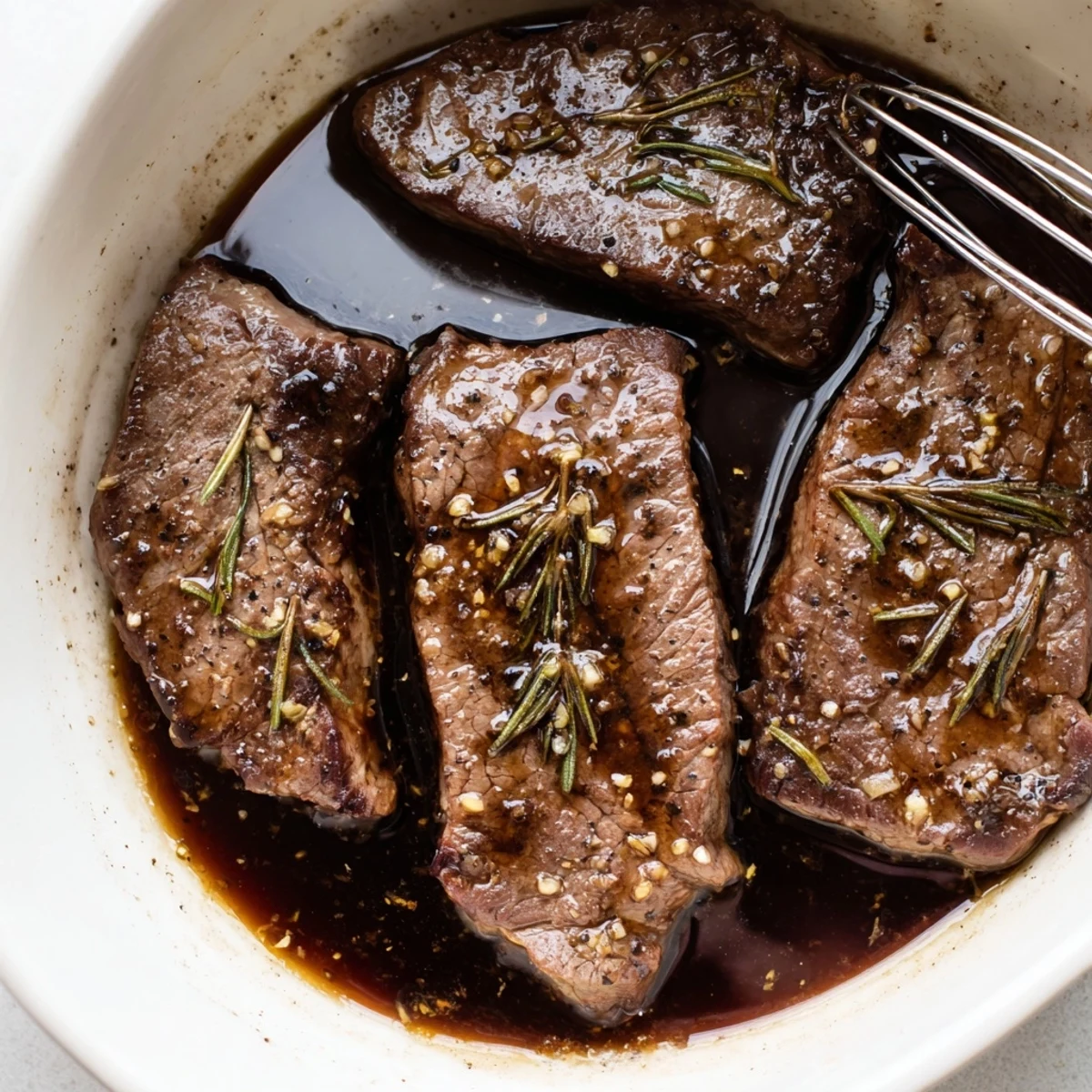
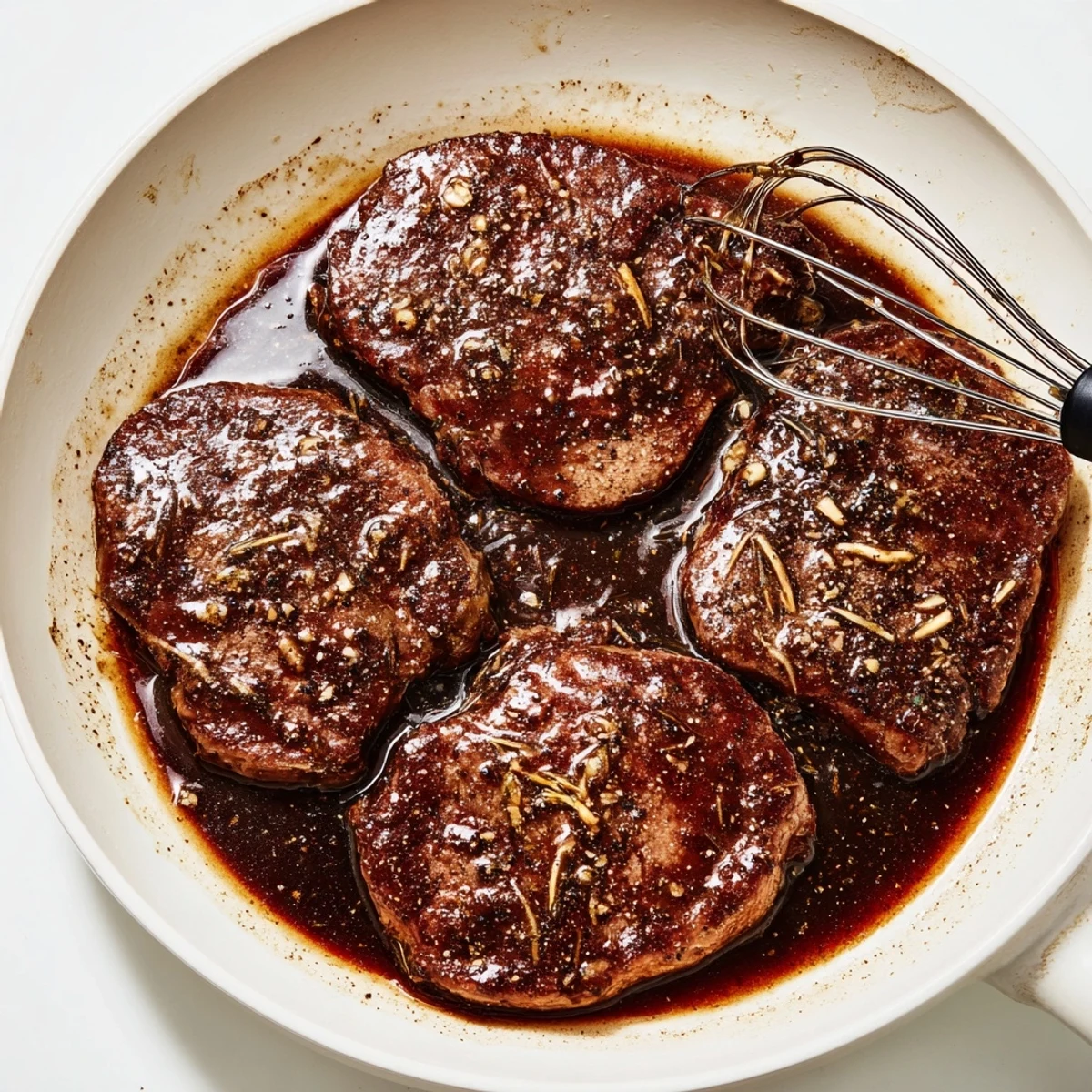
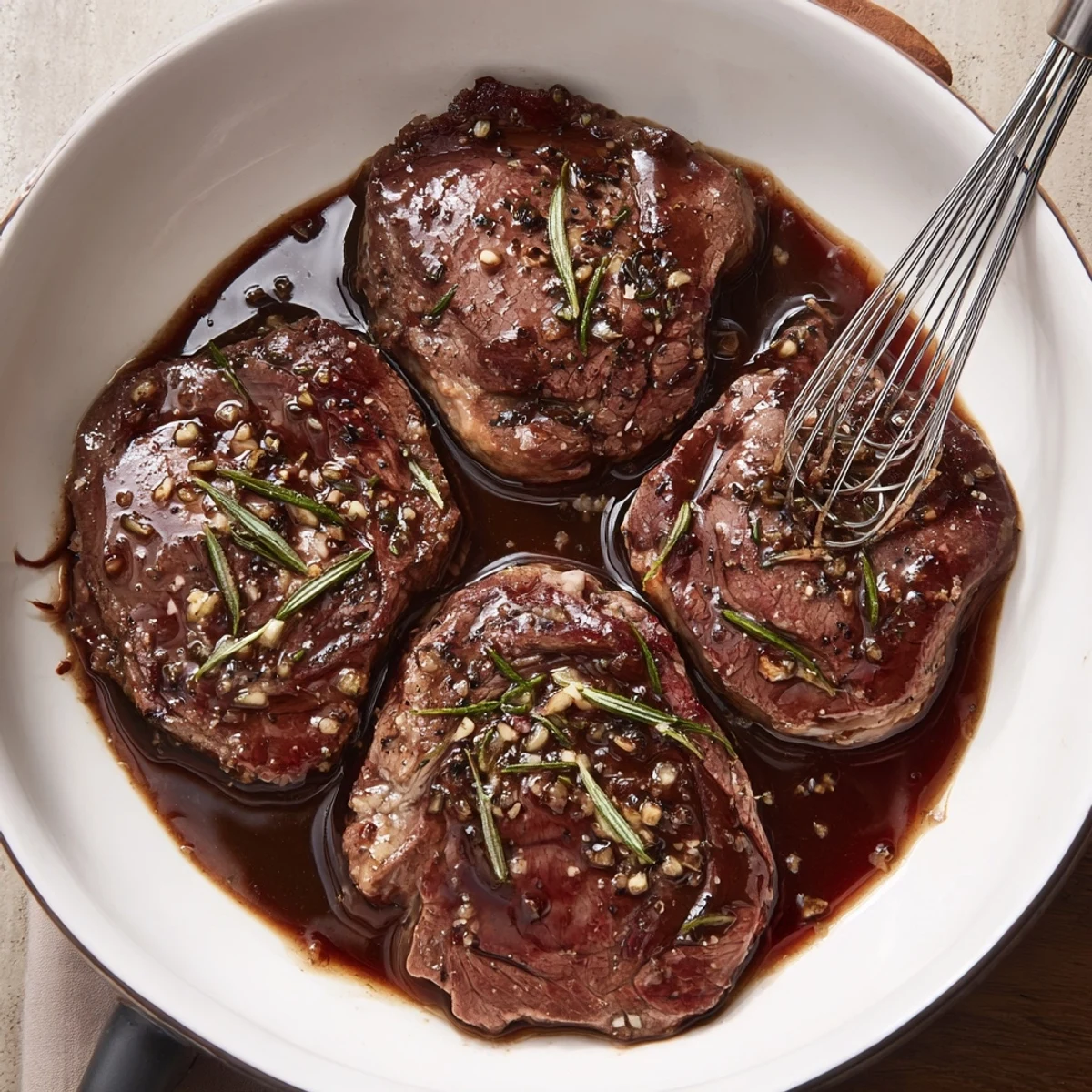
- Lay your steaks out in a large resealable bag or shallow dish. Pour the marinade slowly over each one, turning if needed to make sure each side is well coated.
- Chill and marinate:
- Seal the bag or cover the dish and set it in the fridge for at least 2 hours, or up to 24 for deeper flavor—remember to turn the steaks a couple of times if you think of it.
- Prep for cooking:
- Right before cooking, take the steaks out, pat them dry with a paper towel, and discard the leftover marinade. Now they’re ready for the grill, broiler, or a hot pan—just cook to your favorite doneness and enjoy the transformation.
 Save
Save One chilly spring night, I used this marinade to impress a date who claimed to be a steak snob. Laughing nervously, I watched as she took the first bite—and her surprised nod said everything words couldn’t. It was in that moment the marinade crossed from trusty standby to my own little badge of pride.
Making This Marinade Work for Any Cut
Over time I’ve learned this marinade really does have a magic touch, whether you’re working with strip, ribeye, or even a tougher flank steak. The acid and oil help break down the fibers just enough to turn a budget cut into something delicious, while the flavors stay balanced and never overpower the beef. Even for last-minute dinners, I let the steaks marinate for just two hours and still get fantastic results.
What Else Can You Marinate?
The recipe isn’t just for beef—the same marinade brings chicken and pork chops to life too. I love tossing chicken in for a quick midweek bake or slathering pork before it hits the grill, changing up herbs based on what’s in the fridge. Paired with roasted vegetables or even tofu, this blend adds a hit of flavor that makes everything feel more special.
Troubleshooting Unexpected Results
It’s normal to find the steaks a little darker after marinating—this just means the flavors really took hold. If you like your steak a little sweeter or want more caramelization, add an extra pinch of brown sugar to the mix next time. And if you ever over-marinate, don’t worry: just rinse off excess, dry well, and season a little with salt before cooking.
- Let your steaks come closer to room temp before cooking for even results.
- If you’re in a rush, poke the steak gently with a fork for quicker flavor absorption.
- Save a tablespoon or two of unused marinade for brushing over veggies while they grill.
 Save
Save Cooking steak should feel fun, not fussy—the best part is always sharing the results with friends and hearing the sizzle as you take those first bites. May this marinade bring as much joy to your table (and grill) as it has to mine.
Recipe FAQs
- → How long should steaks marinate?
-
Marinate a minimum of 2 hours for surface flavor and at least 6-8 hours for noticeable tenderizing. Up to 24 hours is fine for most cuts; avoid going much longer to prevent texture breakdown.
- → Can I use this mixture for other proteins?
-
Yes. It works well with pork chops and chicken breasts; adjust marinating times—shorter for poultry (1-4 hours) and similar times for pork depending on thickness.
- → Is it safe to reuse the used marinade?
-
No. Discard any marinade that has been in contact with raw meat. If you want to use it for a sauce, reserve a portion before adding raw meat or boil the used marinade thoroughly for several minutes.
- → How can I make the steak more tender?
-
Allow longer marination within the 2-24 hour window, use cuts with some fat marbling, and rest steaks after cooking. Mechanical tenderizing (scoring or pounding) also helps for tougher cuts.
- → How do I make this gluten-free or allergen-friendly?
-
Swap soy sauce for tamari or coconut aminos and choose a gluten-free Worcestershire. Double-check labels for mustard or other allergens and adjust accordingly.
- → How can I adjust the flavor balance?
-
For more sweetness use honey instead of brown sugar; add lemon or extra vinegar for brightness; increase garlic or Dijon for more savory punch; add crushed red pepper for heat.