
 Save
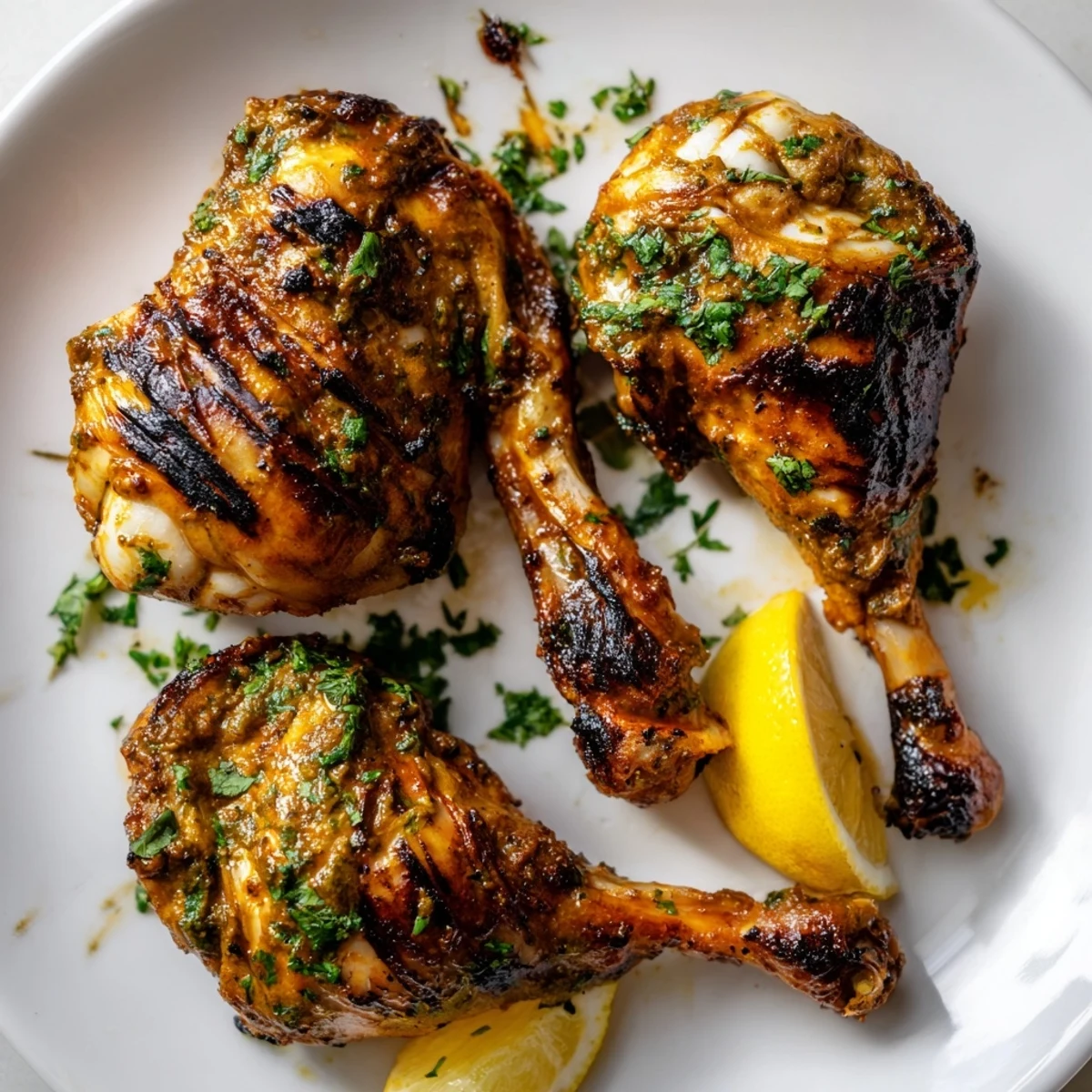
Save Make shallow slits in skinless legs and thighs, then coat in a yogurt-based marinade spiked with lemon, ginger, garlic and tandoori masala. Chill at least 4 hours or overnight for deep flavor. Roast at 220°C/425°F or grill over high heat for 30–35 minutes, turning and basting once until slightly charred and cooked through. Serve with cilantro and lemon; pair with naan, rice or cooling yogurt-based sauce.
The smell of tandoori chicken roasting in my apartment kitchen one rainy Tuesday evening transported me straight to a cramped street stall in Old Delhi where I once stood watching a cook pull sizzling red chicken from a clay oven with bare hands. I had been trying to recreate that smoky, charred perfection for months, burning two batches and nearly setting off every smoke detector in my building before finally getting it right. That night, with rain streaking the windows and the apartment fragrant with cumin and paprika, I tore off a piece with my fingers and finally tasted what I had been chasing.
I served this to my neighbor Sanjay who grew up in Lucknow, fully expecting him to be polite but unimpressed. He took one bite, closed his eyes, and said nothing for a full minute before asking if he could take the remaining leg home to his wife. That silence was the best review I have ever received from any dish I have cooked.
Ingredients
- 1.5 lbs (700 g) chicken legs and thighs, skinless: Dark meat is essential here because it stays juicy through the high heat roasting. I learned the hard way that boneless breast dries out before the char develops properly.
- 1 cup plain yogurt: Whole milk yogurt creates the richest marinade and the acid tenderizes beautifully. Greek yogurt works too but thins it with a spoon of water first.
- 2 tbsp lemon juice: Fresh squeezed only. The brightness cuts through the deep spices and balances the overall flavor.
- 2 tbsp tandoori masala or mild curry powder: This is your flavor backbone. Tandoori masala gives a more authentic result, but a quality curry powder will get you remarkably close.
- 1 tbsp ginger paste: Fresh ginger blended into a paste melds into the marinade more evenly than grated ginger, which can leave stringy bits.
- 1 tbsp garlic paste: Same principle as the ginger. If you cannot find paste, smash garlic cloves to a smooth pulp with the flat side of your knife and a pinch of salt.
- 1 tsp ground cumin: Adds an earthy warmth that anchors the brighter spices.
- 1 tsp ground coriander: Brings a subtle citrusy note that rounds out the heat.
- 1 tsp paprika: This is largely for the signature red hue but it also contributes a gentle sweetness.
- 1/2 tsp ground turmeric: A little goes a long way. Too much makes the dish bitter and overwhelms the other spices.
- 1/2 tsp chili powder: Adjust this to your comfort level. I sometimes split the difference with extra paprika for color without scorching heat.
- 1 1/2 tsp salt: Do not skimp on this. The salt pulls the marinade into the meat and brings every spice to life.
- 2 tbsp vegetable oil: Helps the spices bloom and keeps the chicken from sticking to the rack.
- Fresh cilantro and lemon wedges: Entirely optional but the fresh herb and acid squeeze at the end make the flavors sing.
Instructions
- Score the chicken:
- Use a sharp knife to make shallow diagonal cuts across each piece of chicken, about a quarter inch deep. This is the step most people skip, but it is what lets the marinade seep deep into the meat rather than just coating the surface.
- Build the marinade:
- In a large bowl, combine the yogurt, lemon juice, tandoori masala, ginger paste, garlic paste, cumin, coriander, paprika, turmeric, chili powder, salt, and oil. Stir until you get a smooth, vibrantly colored paste. Taste it with a clean spoon. It should feel bold and almost too intense because it will mellow into the chicken.
- Coat and rest:
- Add the chicken pieces and use your hands to really work the marinade into every slit and crevice. Cover the bowl tightly and refrigerate for at least 4 hours. Overnight is ideal and I have left it for a full 24 hours with extraordinary results.
- Preheat aggressively:
- Heat your oven to 220 degrees Celsius or 425 degrees Fahrenheit. You want it ripping hot because that fierce initial blast is what creates the charred edges while keeping the inside moist. If using a grill, get the coals white hot.
- Roast and baste:
- Set the chicken on a wire rack over a baking sheet so hot air circulates underneath. Roast for 30 to 35 minutes, flipping once halfway through and basting with any leftover marinade. You are looking for slightly blackened edges and juices that run clear when pierced.
- Rest and finish:
- Let the chicken rest for 5 minutes before serving so the juices redistribute. Scatter chopped cilantro over the top and serve with lemon wedges alongside. Eat with your hands if the moment calls for it.
 Save
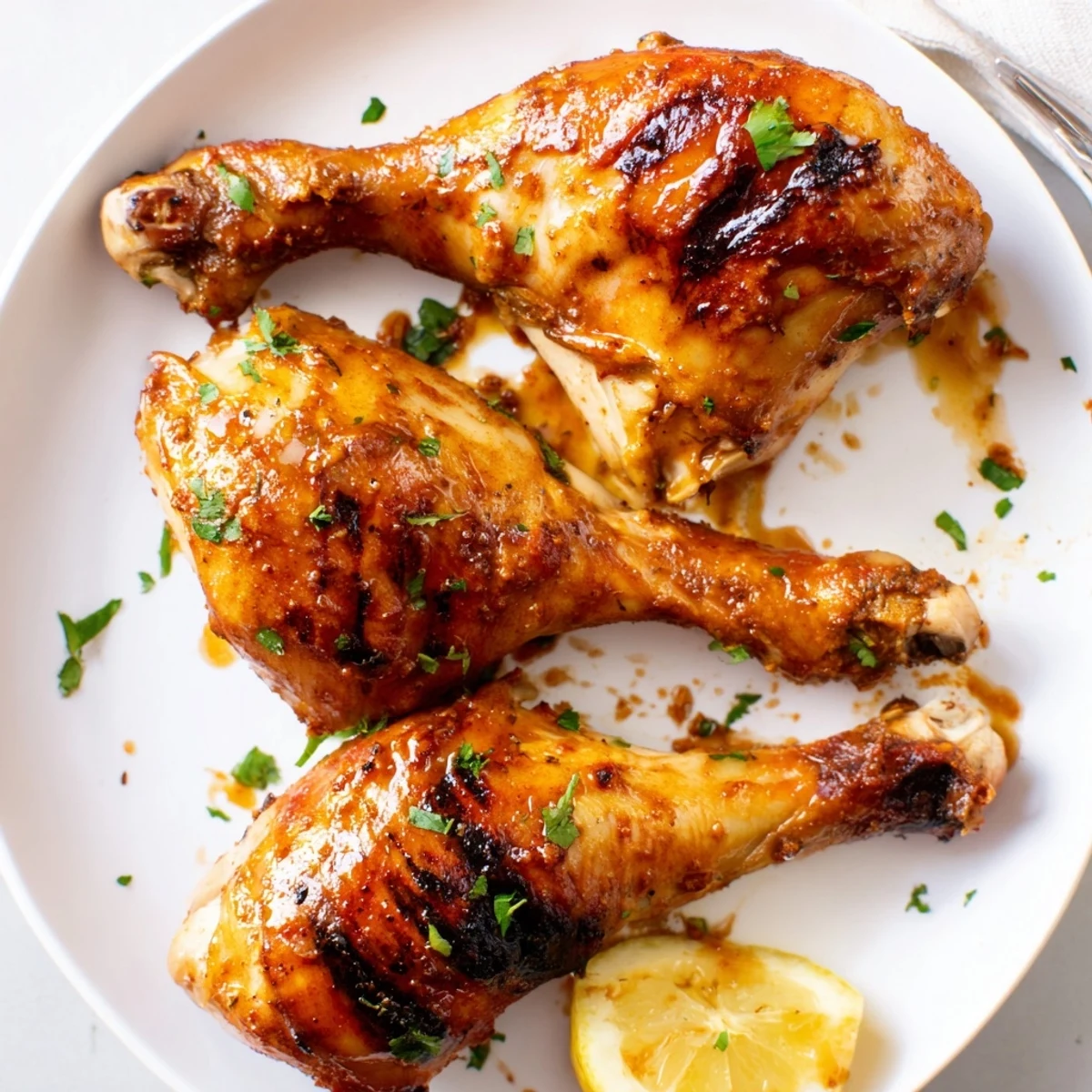
Save There is something deeply satisfying about pulling a tray of vividly colored, charred chicken from the oven when the rest of the world feels ordinary. It turns a weeknight into something that feels deliberate and celebratory.
Serving Ideas Worth Trying
This chicken shines beside steamed basmati rice with a pat of butter melting through it, but I also love tearing pieces off warm naan and scooping up cool cucumber raita for contrast. A simple salad of thinly sliced red onion and tomato with a squeeze of lime makes the meal feel complete without competing with the main event.
Adapting for Your Kitchen
If you have an outdoor grill, the smoky flavor intensifies beautifully over real coals. A gas oven broiler works well too. Just move the rack up close to the element and watch carefully because the sugars in the marinade can go from perfectly blistered to burnt in under a minute. Boneless chicken thighs will work but shave off about 10 minutes of cooking time and check them early.
Leftovers and Make Ahead
Tandoori chicken reheats surprisingly well in a dry skillet over medium heat, which helps restore some of the charred texture that the microwave destroys. I have also shredded cold leftover pieces into wraps with lettuce, yogurt, and a drizzle of hot sauce for lunch the next day. The marinade can be prepared up to 3 days ahead and kept in the fridge, ready whenever you are.
- Freeze marinated raw chicken in a sealed bag for a meal that is ready to roast on busy nights.
- Leftover chicken keeps well for up to 3 days refrigerated and makes an excellent topping for salads.
- Always let the cooked chicken cool completely before storing to prevent sogginess.
 Save
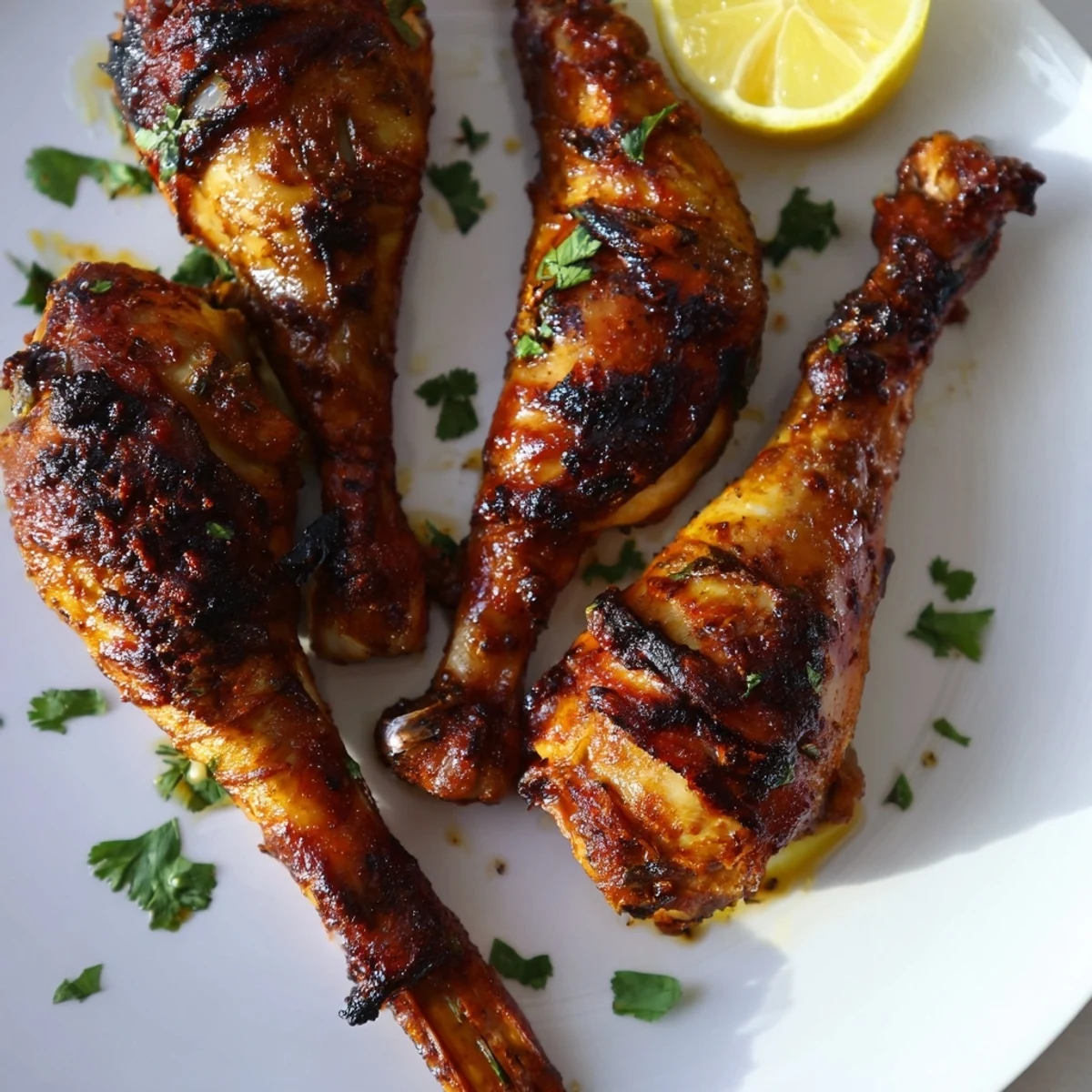
Save Once you master this marinade, it becomes a reliable friend that turns any gray evening into something fragrant and alive. Trust the process, give it time, and let the oven do its fierce, wonderful work.