
 Save
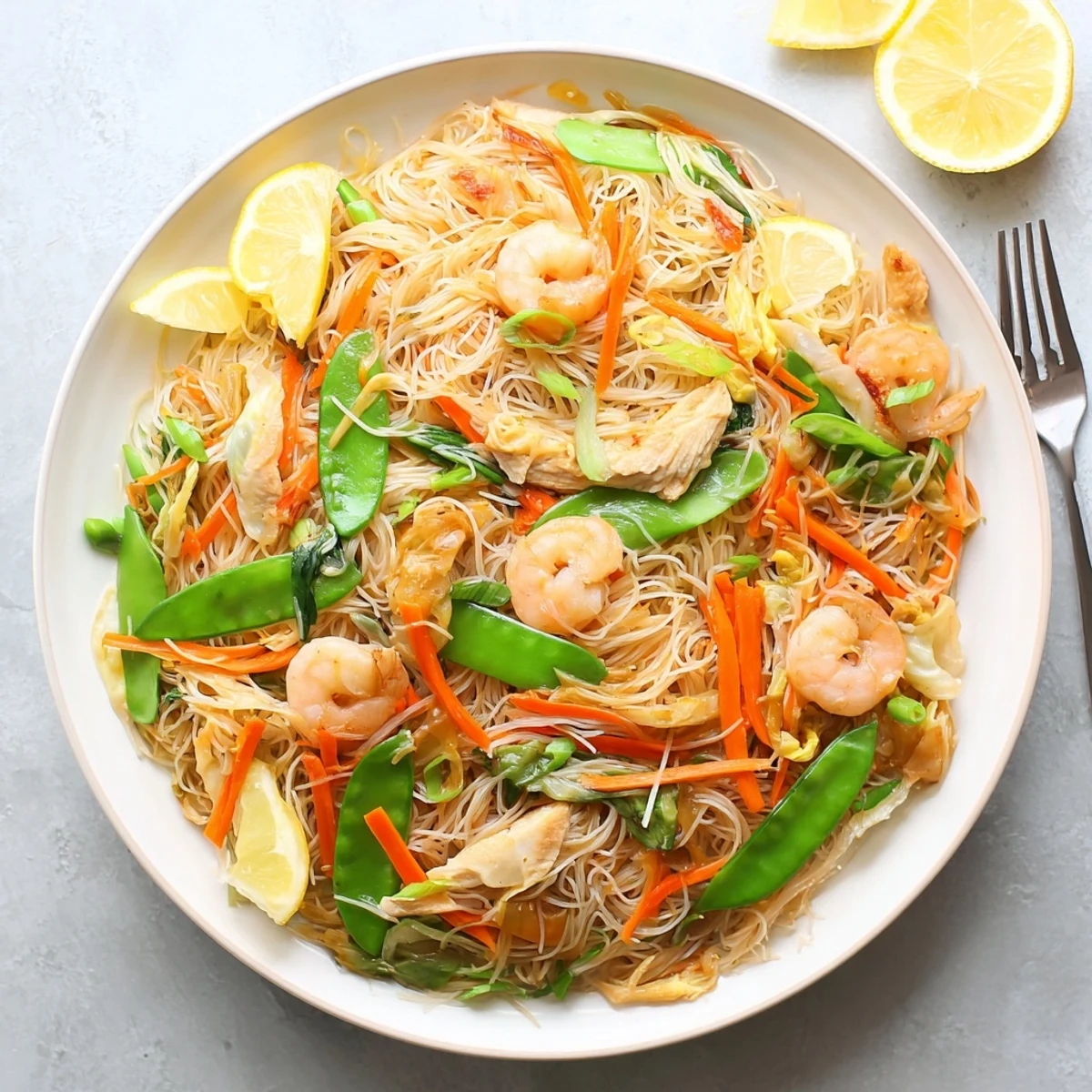
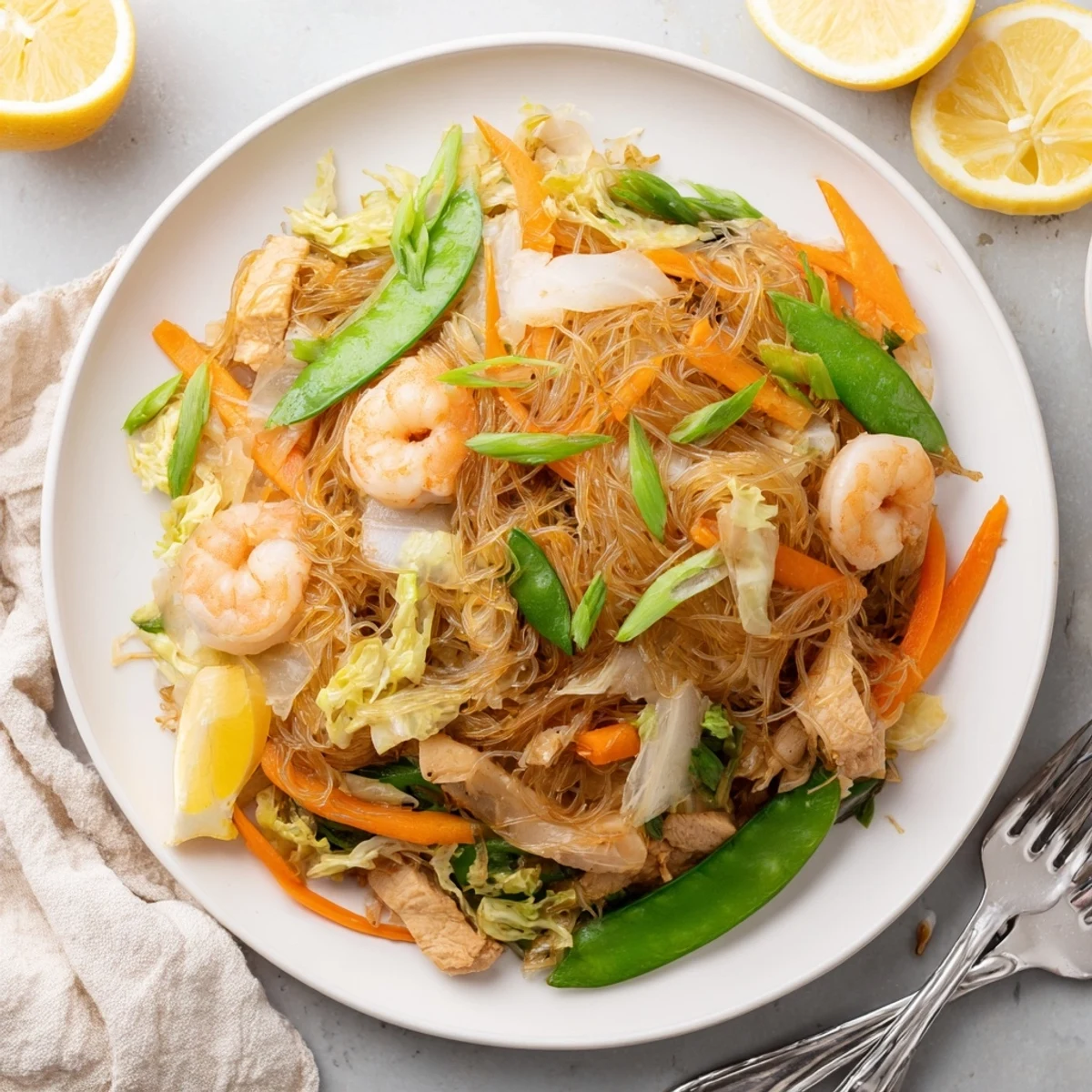
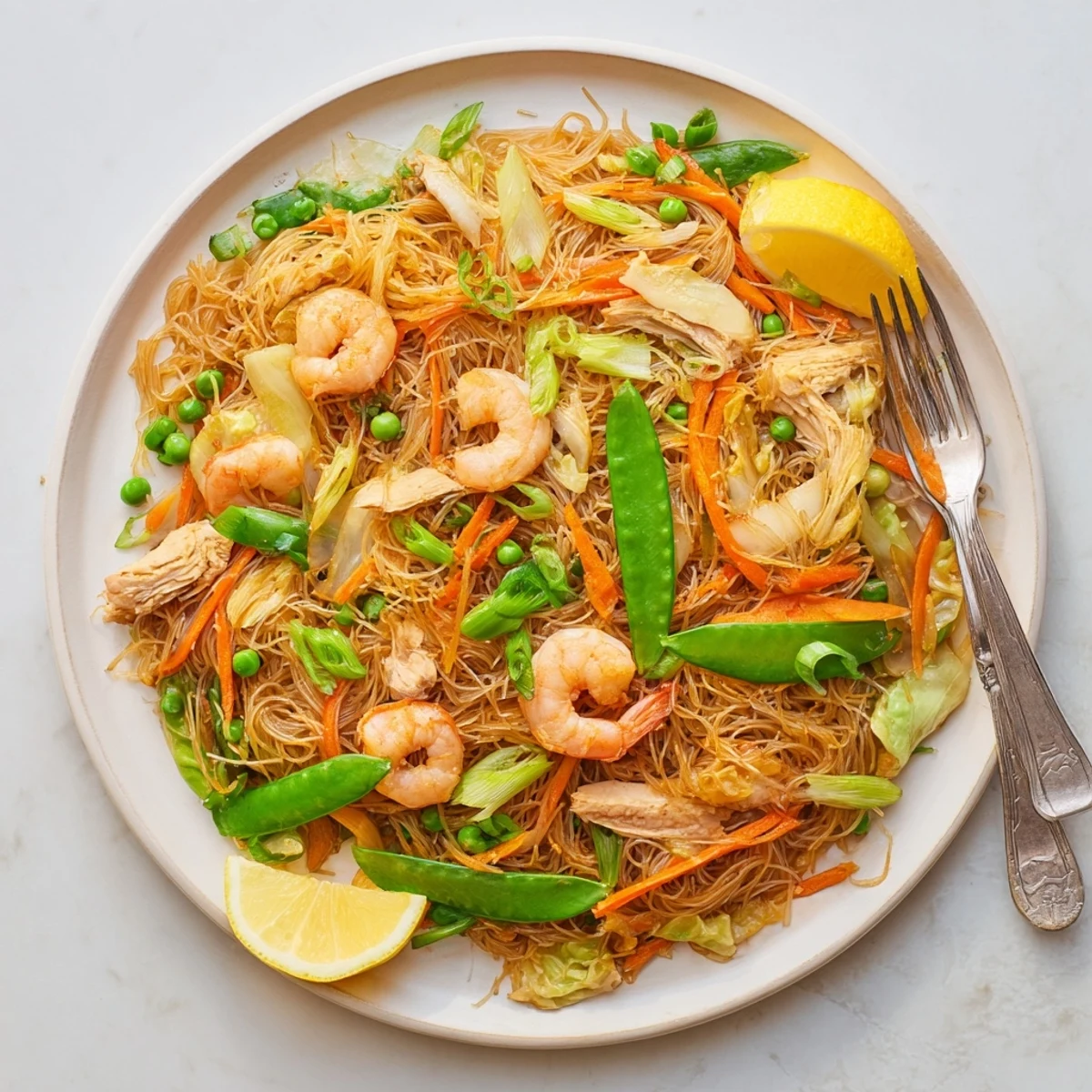
Save Experience authentic Filipino flavors with this beloved noodle stir-fry featuring thin bihon rice noodles combined with succulent chicken breast and plump shrimp. The dish gets its irresistible taste from a well-balanced sauce of soy, oyster sauce, and fish sauce, while julienned carrots, shredded cabbage, and snow peas add delightful crunch and color.
Perfect for family gatherings or weeknight dinners, this one-pan meal comes together in just 40 minutes. Serve garnished with fresh scallions and tangy calamansi wedges for that traditional Filipino touch. The versatile preparation allows easy substitutions for vegetarian preferences.
The smell of garlic hitting hot oil always pulls me into the kitchen, no matter what I was doing. That first pancit I made at university was a disaster—the noodles turned into a sticky clump because I skipped soaking them properly. My roommate still teases me about serving her what she called rice noodle bricks. It took three attempts and a phone call to my aunt before I got it right.
Last summer, I made this for a small dinner party when everyone was too tired for anything fancy. My friend Sarah took one bite and asked if I could teach her the secret. Watching people go back for seconds, plating up small portions to take home, that is when this dish stopped being just dinner and started being something people remember.
Ingredients
- 200 g boneless chicken breast: Slice against the grain for tender pieces that cook quickly and evenly
- 100 g medium shrimp: Fresh shrimp brings sweetness that balances the salty soy sauce
- 200 g dried bihon noodles: Rice vermicelli soaks up all the flavors, so do not skip the proper soaking step
- 1 small carrot: Julienned thin so they cook through without becoming mushy
- 1 cup green cabbage: Adds texture and a fresh crunch against the soft noodles
- 1/2 cup snow peas: They stay crisp and bright, making the dish look inviting
- 1 small onion: Sliced thin, this builds the aromatic base with garlic
- 3 cloves garlic: Minced fresh, never jarred, for that punchy first aroma
- 2 tbsp soy sauce: The foundation of savory depth in the sauce
- 1 tbsp oyster sauce: Adds a subtle sweetness and rich umami
- 1 tsp fish sauce: Use sparingly—it intensifies the savory notes without overpowering
- 1/2 tsp ground black pepper: Freshly cracked makes a noticeable difference
- 1 cup chicken broth: Homemade is best, but a good quality store-bought works
- 2 tbsp chopped scallions: Sprinkle these at the end for a pop of color and mild onion flavor
- 1 lemon or calamansi: The acid cuts through the richness and brightens every bite
Instructions
- Soak the noodles:
- Place the bihon in warm water for about 10 minutes until they are pliable but still slightly firm to the touch.
- Build the aromatics:
- Heat oil in a large wok over medium-high heat, then sauté the garlic and onion until the onion turns translucent and fragrant.
- Cook the proteins:
- Add the chicken first, letting it brown lightly, then toss in the shrimp just until they turn pink, about two minutes.
- Sauté the vegetables:
- Stir-fry the carrots, cabbage, and snow peas for a quick two to three minutes so they stay tender-crisp.
- Combine and season:
- Return the chicken and shrimp to the pan, then pour in the soy sauce, oyster sauce, fish sauce, and chicken broth.
- Add the noodles:
- Toss in the soaked bihon and use tongs to gently mix everything, letting the noodles absorb the sauce for three to four minutes.
- Season to taste:
- Sprinkle with black pepper and adjust the salt or sauces if needed before turning off the heat.
- Finish and serve:
- Transfer to a platter, scatter with fresh scallions, and serve with lemon wedges on the side for squeezing.
 Save
Save My niece now requests this for every birthday, standing by the stove with her small bowl, waiting for the first taste. She calls it happy noodles, and honestly, she is not wrong.
Making It Your Own
Swap the chicken for pork belly if you want something richer, or use tofu for a vegetarian version. Bell peppers add sweetness, while celery brings a fresh herbal crunch.
Pairing Ideas
A cold lager or crisp white wine balances the savory, salty notes. For something non-alcoholic, an iced tea with a squeeze of calamansi works beautifully.
Serving It Right
Pancit is traditionally served at celebrations to symbolize long life and good fortune. I like to set out small bowls of extra soy sauce and chopped chilies so everyone can adjust their own.
- Serve it family style straight from the pan for a casual feel
- Offer extra calamansi on the side for those who love it tart
- Keep some warm broth nearby if the noodles dry out
 Save
Save There is something deeply comforting about a dish that brings people together, one forkful at a time.
Recipe FAQs
- → What makes Pancit Bihon different from other pancit varieties?
-
Pancit Bihon uses thin rice vermicelli noodles, distinguishing it from Pancit Canton's egg noodles or Pancit Sotanghon's bean thread noodles. The bihon noodles absorb sauces beautifully while maintaining a delicate texture.
- → Can I prepare Pancit Bihon in advance?
-
While best served immediately, you can prep ingredients ahead. Cook proteins and vegetables separately, then combine with noodles when ready to serve. Leftovers reheat well with a splash of broth to refresh the sauce.
- → What vegetables work best in this dish?
-
Traditional choices include carrots, cabbage, and snow peas for their crunch and color retention. Bell peppers, celery, or bok choy make excellent additions while maintaining the authentic profile.
- → How do I prevent noodles from becoming mushy?
-
Soak bihon noodles only until pliable, not fully soft. Drain thoroughly before adding to the wok. Toss gently and cook just until heated through to preserve texture while allowing flavor absorption.
- → Is there a vegetarian version of Pancit Bihon?
-
Simply substitute chicken and shrimp with firm tofu cubes and use vegetable broth instead of chicken stock. The resulting dish maintains the savory depth while offering a plant-based alternative.
- → What beverages pair well with Pancit Bihon?
-
Crisp white wines like Sauvignon Blanc complement the savory notes, while light lagers provide refreshing contrast. For non-alcoholic options, chilled calamansi juice or iced tea balances the richness beautifully.