
 Save
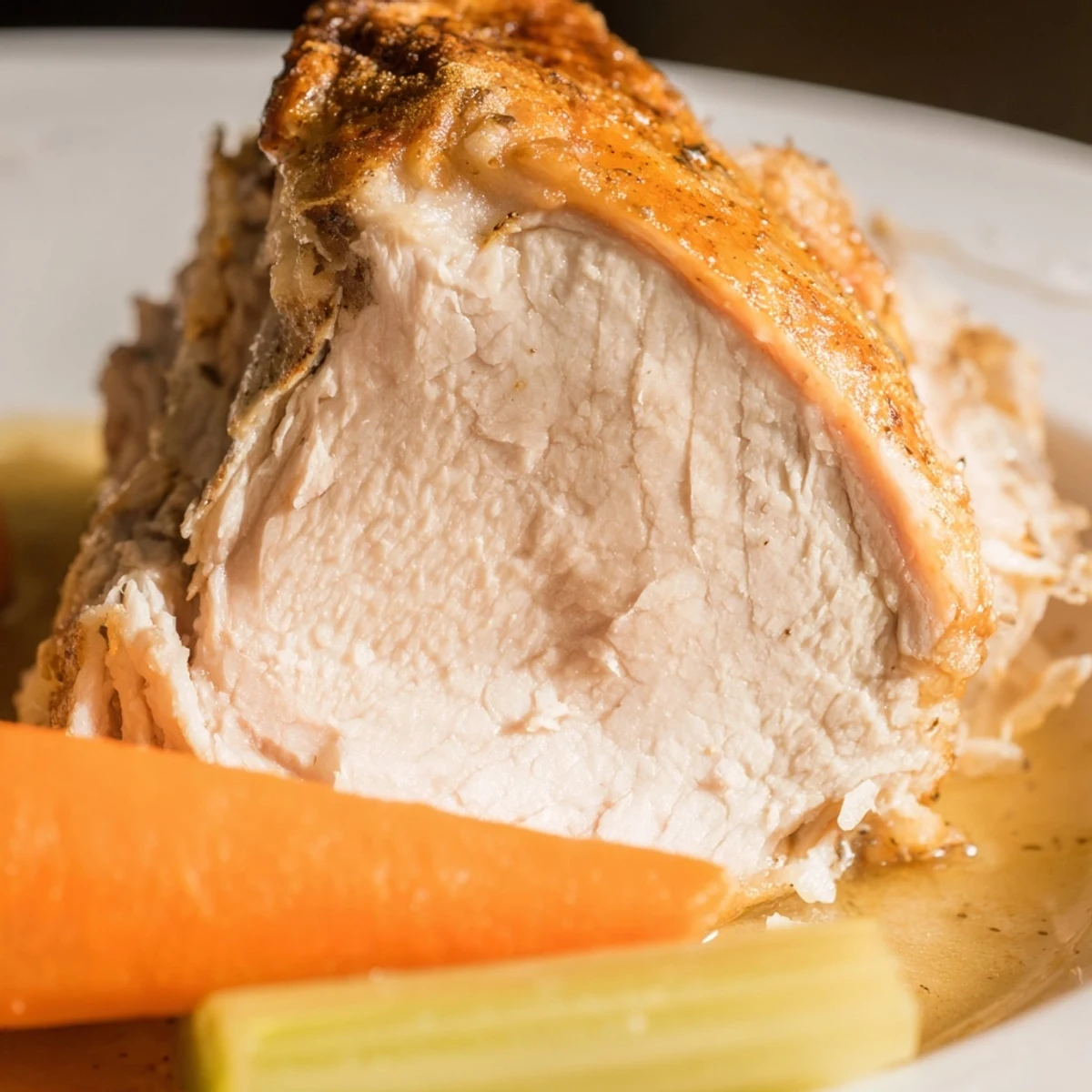
Save This oven-roasted turkey breast is seasoned with olive oil, thyme, rosemary, and smoked paprika to create a flavorful crust. It is cooked atop a bed of carrots, onions, celery, and garlic, which infuse both aroma and taste into the dish. Basting with pan juices keeps the meat moist while broiling at the end adds a crisp skin. Perfectly rested before slicing, it makes for a comforting meal accompanied by roasted vegetables and savory pan juices.
There's something about a golden turkey breast emerging from the oven that stops conversations mid-sentence. My aunt taught me this recipe on a random Tuesday in March, not even a holiday—she said the best meals happen when you're not trying so hard to impress. The kitchen filled with the smell of rosemary and caramelized onions, and I realized pan roasting a turkey breast could be simpler and more elegant than the whole bird fussiness I'd always assumed it had to be.
I made this for my partner's work colleagues once, nervous because I'd only cooked it twice. Watching their faces when they tasted it—that quiet moment before someone says this is incredible—made me realize this recipe had become my secret weapon. It's the kind of dish that makes people ask for the recipe but also seems like you did something impossibly difficult.
Ingredients
- Turkey breast (3–4 lb, skin-on): The skin is your crispy treasure, so don't remove it even though you might be tempted to rush.
- Olive oil: Just enough to make the seasonings stick and help the skin render into something magical.
- Kosher salt and black pepper: The real stars here; don't skimp on either.
- Dried thyme and rosemary: Use the dried versions because they concentrate their flavor and won't scorch like fresh herbs sometimes do.
- Smoked paprika: This adds a subtle depth that makes people wonder what your secret is.
- Carrots, onions, celery, and garlic: These aren't just vegetables; they become the foundation of flavor that makes the turkey sing.
- Chicken broth and white wine: The wine adds brightness, but honest chicken broth alone works just fine if you'd rather skip it.
Instructions
- Heat your oven and prep the turkey:
- Get that oven to 375°F (190°C) before anything else. Pat the turkey breast completely dry with paper towels—this is the difference between golden skin and steamed skin, so take a minute with it.
- Season generously and season smart:
- Rub the turkey with olive oil first, then shower it with salt, pepper, thyme, rosemary, and paprika. Don't be shy; all that seasoning barely clings to such a big piece of meat.
- Build your vegetable foundation:
- Scatter carrots, onions, celery, and garlic across the roasting pan so they're mostly in one layer. These vegetables catch the dripping juices and become your best side dish, so don't pile them too deep.
- Position the star ingredient:
- Set the seasoned turkey breast, skin-side up, right on top of those vegetables. The skin needs to face the heat, and the vegetables will cushion the meat so it cooks evenly.
- Add moisture without drowning:
- Pour chicken broth and wine (if using) into the pan around the turkey, being careful not to splash the skin. This keeps everything moist inside while the top crisps.
- Roast with patience:
- Slide into the oven for about 1 hour 10 minutes to 1 hour 20 minutes, aiming for an internal temperature of 165°F (74°C) at the thickest part. Halfway through, spoon those pan juices back over the turkey—this basting step is what keeps the meat tender.
- Finish the skin if needed:
- If your skin isn't as crispy as you'd like, give it a quick run under the broiler for 2–3 minutes, but stay right there watching it; it goes from golden to burnt faster than you'd think.
- Rest and serve:
- Tent the turkey with foil and let it rest for 15 minutes—this keeps the juices in the meat instead of running all over your cutting board. Slice, serve alongside those roasted vegetables, and spoon pan juices over everything.
 Save
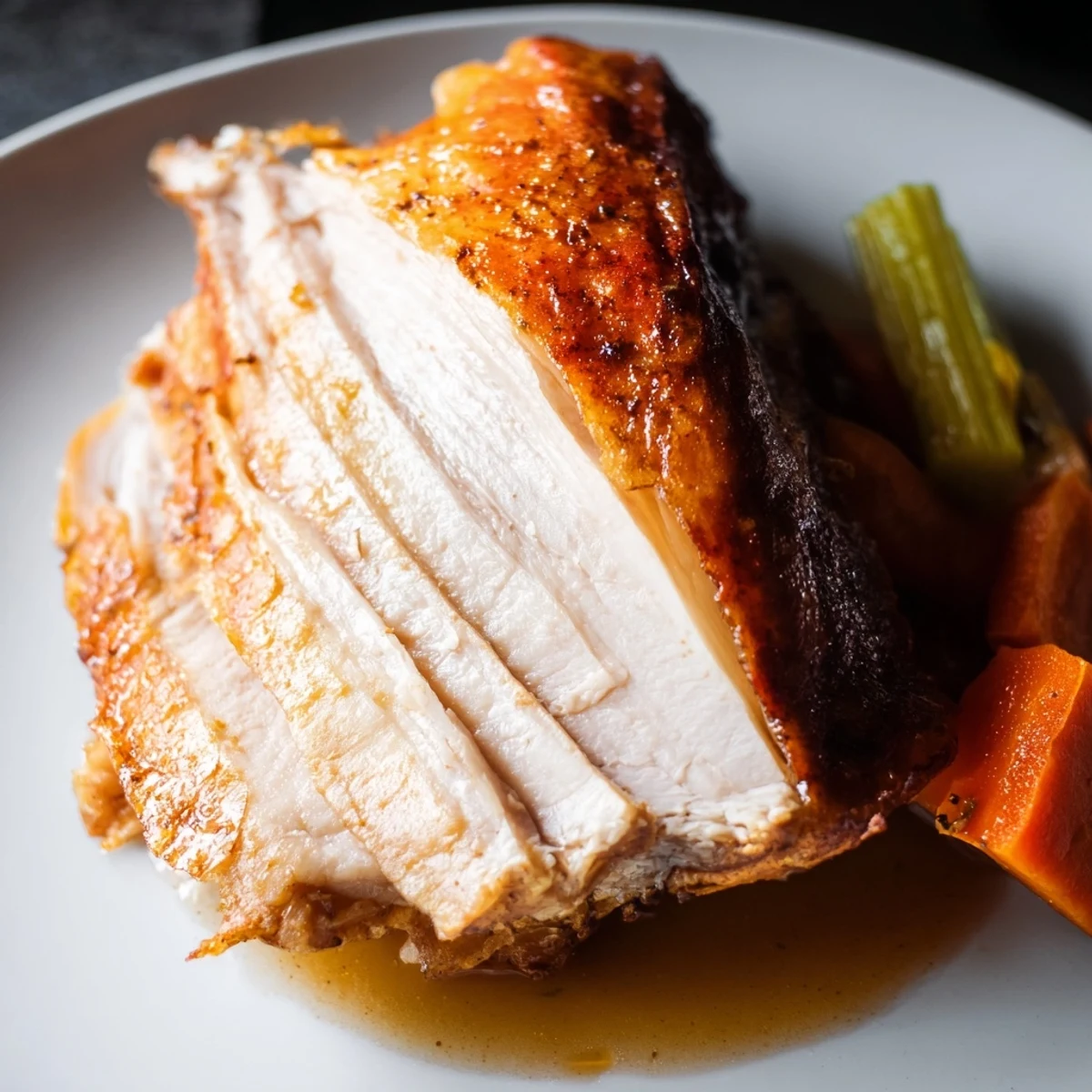
Save The first time I sliced into this turkey and watched the juices stay inside the meat instead of spilling everywhere, I understood why my aunt loved this recipe so much. It's humble enough for a Tuesday but impressive enough that people think you've worked magic in the kitchen.
Why This Method Works
Pan roasting beats whole birds because you're cooking something that actually cooks through evenly in less than two hours. The vegetables roasting underneath don't just flavor the turkey; they catch all those magical juices and become better than anything you'd roast separately. Everything happens in one pan, which means less cleanup and more of your attention on actually enjoying the cooking.
Timing and Temperature
I used to overcook turkey out of fear, but once I started trusting a meat thermometer, everything changed. The thickest part of the breast should hit exactly 165°F (74°C)—not higher, because turkey dries out faster than you'd expect. From cold oven to rested turkey on the cutting board takes just under two hours, which makes this realistic for dinner on a regular night.
Variations and Next Time
This recipe is flexible in the way good recipes should be. You can add fresh herb sprigs, swap the wine for extra broth, or roast root vegetables like parsnips and potatoes mixed in with the carrots. The core magic—seasoned turkey with roasted vegetables underneath—stays the same, and that's what matters.
- Fresh rosemary or thyme sprigs can go right into the pan if you have them on hand.
- Leftover turkey makes incredible sandwiches and salads for days afterward.
- If you find your skin didn't crisp enough, broiling for just 2–3 minutes at the end saves it every time.
 Save
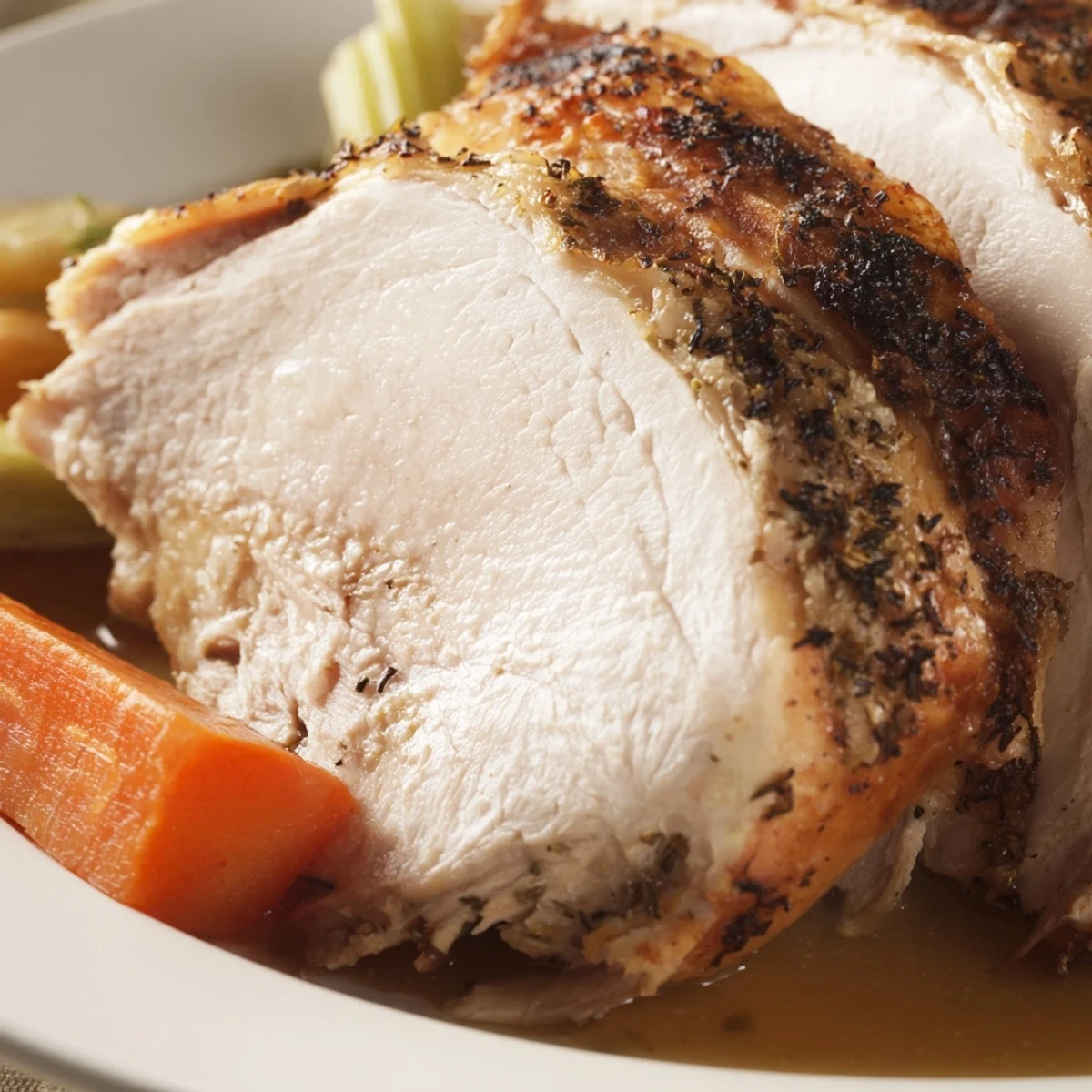
Save This turkey has become the meal I make when I want to feel like I've done something right in the kitchen without actually stressing. It sits somewhere between comfort and elegance, which might be why it keeps finding its way onto the table.
Recipe FAQs
- → How can I ensure the turkey breast stays moist?
-
Baste the turkey with pan juices halfway through cooking and let it rest covered before slicing to retain moisture.
- → Can I substitute fresh herbs for dried ones?
-
Yes, fresh rosemary and thyme can be used; add sprigs to the roasting pan for enhanced aroma.
- → What is the best way to achieve crispy skin?
-
Broil the turkey for 2–3 minutes at the end of roasting while watching carefully to crisp the skin without burning.
- → Is white wine necessary for the liquid in the pan?
-
White wine is optional and can be replaced with additional chicken broth without sacrificing flavor.
- → What vegetables work best alongside the turkey breast?
-
Carrots, onions, celery, and garlic provide a well-rounded flavor base and roast beautifully beneath the turkey.