
 Save
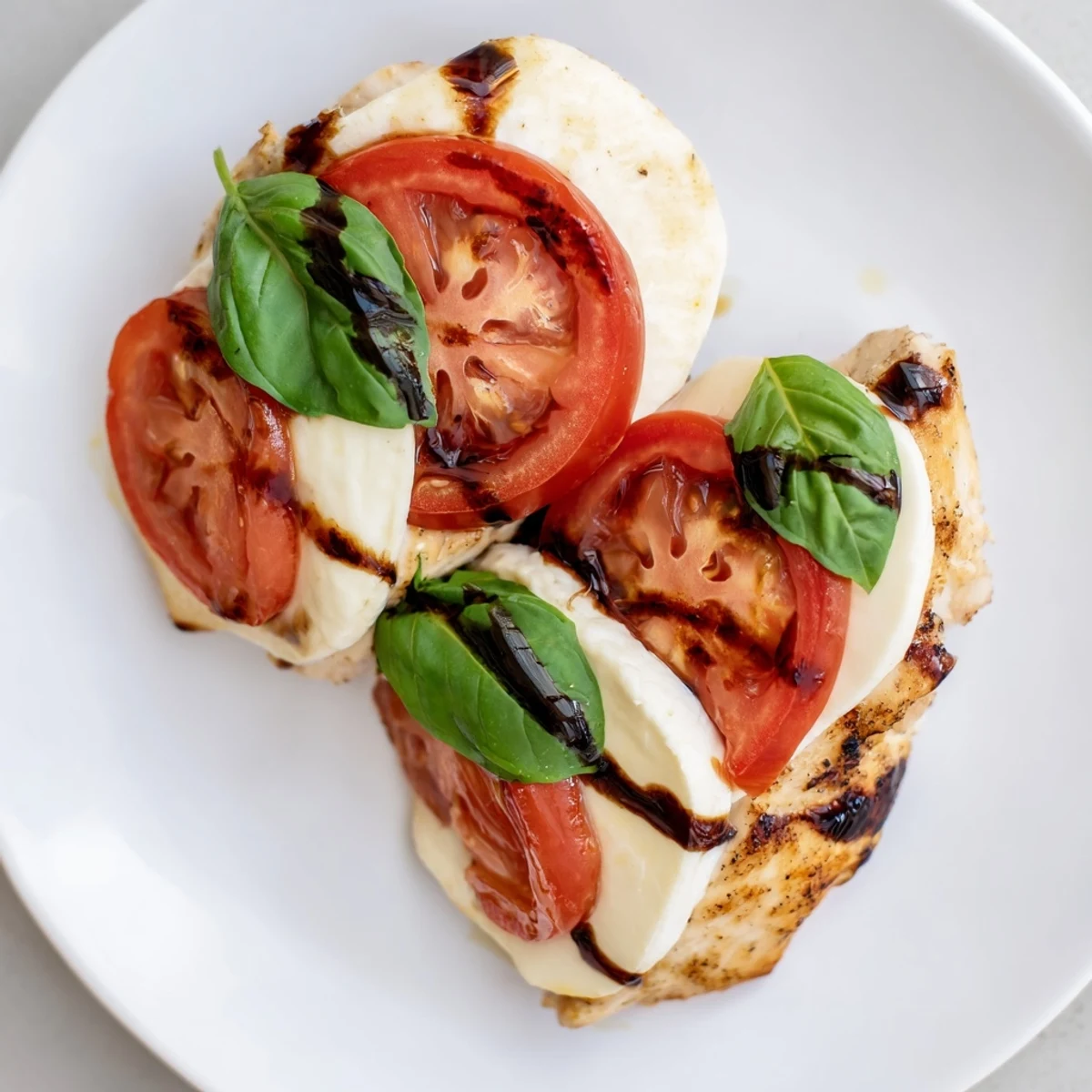
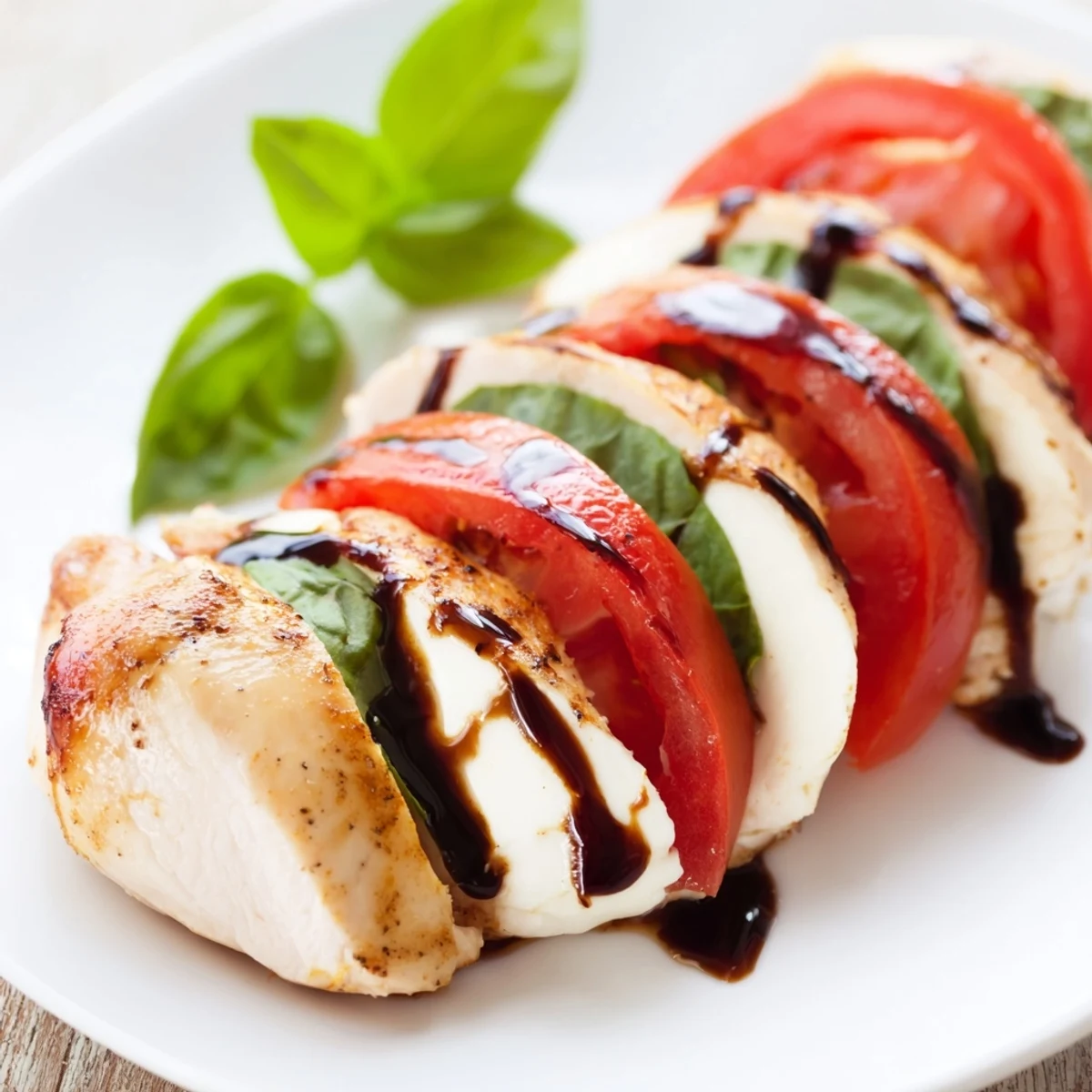
Save This dish features chicken breasts carefully filled with fresh mozzarella, ripe tomatoes, and fragrant basil leaves, then seared and baked to a juicy finish. A sweet and tangy balsamic reduction is drizzled on top, adding depth and a subtle acidity that perfectly balances the creamy filling and tender poultry. Ideal for an Italian-inspired main course, this meal combines fresh ingredients and simple techniques for a flavorful, gluten-free delight.
One summer evening, I was standing in my kitchen staring at four chicken breasts and wondering how to make dinner feel special without fussing for hours. Then I remembered a little trattoria in Rome where the chef stuffed everything with mozzarella and tomato, and it hit me: why not bring that magic home? That single decision turned an ordinary Tuesday into something my family still talks about.
I made this for my neighbor who had just moved in, and she brought it up months later as the meal that made her feel welcome. She said she could taste that someone actually cared while making it, which sounds simple until you realize that's exactly what good food is supposed to do.
Ingredients
- Boneless, skinless chicken breasts (4): Choose breasts that are similar in thickness so they cook evenly, and let them sit at room temperature for 10 minutes before you start.
- Fresh mozzarella cheese (120 g): Cold mozzarella slices stay intact during baking and won't leak out like shredded cheese tends to do.
- Ripe tomatoes (2 medium): Slice them the day you plan to cook so they're not weeping moisture into your filling, and pat them dry with a paper towel.
- Fresh basil leaves (12): Tear them by hand instead of cutting to keep the oils intact and the flavor alive.
- Olive oil (1 tablespoon): Use a good quality oil for searing since the high heat will highlight its flavor.
- Salt (1 teaspoon): Distribute it between seasoning the outside and the inside of each breast.
- Black pepper (1/2 teaspoon): Crack it fresh if you can, the aroma alone tells you something good is happening.
- Garlic powder (1/2 teaspoon): This adds warmth without overpowering the delicate basil and mozzarella.
- Balsamic vinegar (120 ml): The reduction is where the magic happens, turning sharp vinegar into something syrupy and sweet.
- Honey (1 tablespoon): This balances the acidity and helps the reduction coat the back of a spoon.
Instructions
- Set your oven and prep your workspace:
- Preheat to 200°C (400°F) and line a baking tray with parchment paper so you have a backup plan if your skillet isn't oven-safe. The parchment also means zero cleanup later.
- Create a pocket for the filling:
- Lay each chicken breast flat and use a sharp knife to carefully slice horizontally into the thickest part, stopping about an inch from the edges. It's okay if your first one looks uneven; your hands will learn the motion quickly.
- Season generously inside and out:
- Sprinkle salt, pepper, and garlic powder on both the outside and deep inside the pocket. This is your chance to season every layer so no bite tastes bland.
- Build the filling with intention:
- Slide 3-4 slices of mozzarella into each pocket, then layer in tomato slices, then tuck in 3 basil leaves so they're peeking out slightly. The combination smells so good you'll want to cook it immediately.
- Secure with toothpicks:
- Use 2-3 toothpicks per breast to hold the opening closed so the filling stays tucked inside while it cooks. Soak wooden picks in water first if that's what you're using.
- Sear until golden brown:
- Heat olive oil in your oven-safe skillet over medium-high heat until it shimmers, then carefully lay the chicken in the pan and let it sit without moving for 2-3 minutes. You'll hear a sizzle that says the proteins are sealing and the exterior is getting color.
- Flip and finish the sear:
- Turn each breast over and repeat for another 2-3 minutes on the other side. The mozzarella might be peeking out by now, which is perfectly fine.
- Finish in the oven:
- Transfer the skillet to the oven or move the breasts to your prepared baking tray and bake for 18-22 minutes until the chicken is cooked through and the cheese inside is fully melted. You'll know it's done when the thickest part reaches 165°F (74°C) on a thermometer, but even without one, a tiny cut in the thickest spot should show no pink.
- Reduce the balsamic while the chicken bakes:
- Pour balsamic vinegar and honey into a small saucepan over medium heat and let it come to a gentle simmer. Stir occasionally and watch as it transforms from thin and sharp to thick and glossy, usually in about 8-10 minutes.
- Remove toothpicks and serve:
- Pull the chicken from the oven and let it rest for a few minutes so the juices redistribute. Carefully pull out the toothpicks and drizzle generously with your warm balsamic reduction.
 Save
Save I'll never forget watching my dad taste this for the first time and getting quiet for a moment, the way people do when something hits them. He said it tasted like eating a memory, which made me understand that food is really just an excuse to make people feel something good.
The Art of the Butterfly Cut
Once you get comfortable cutting that pocket, you'll start seeing it everywhere. Some cooks use a meat mallet to pound the breast thinner first, which takes the guesswork out, but I prefer the pocket method because the chicken stays thicker and juicier. If you're nervous, ask your butcher to do it for you, and there's no shame in that at all.
Building Flavor Layers
The magic happens when fresh mozzarella, warm tomato, and basil meet inside the chicken. The cheese melts and gets creamy, the tomato juice mingles with the chicken juices, and the basil oils wake up from the heat. This is why expensive shortcuts don't work here, because the filling needs to be three separate, quality ingredients that respect each other.
Pairing and Serving
This dish is light enough to serve on a warm evening but feels fancy enough for a dinner party. A crisp white wine like Pinot Grigio or Sauvignon Blanc cuts through the richness of the cheese and lets the basil shine. Pair it with a simple green salad dressed in lemon vinaigrette, or serve alongside roasted zucchini and yellow squash that you season with the same basil and garlic powder.
- Make the balsamic reduction ahead of time and gently reheat it just before serving so the flavor is at its brightest.
- If you're cooking for a crowd, you can stuff the breasts up to 8 hours ahead and refrigerate them until you're ready to sear and bake.
- Leftover chicken tastes wonderful cold the next day sliced thin over arugula with a drizzle of that balsamic reduction.
 Save
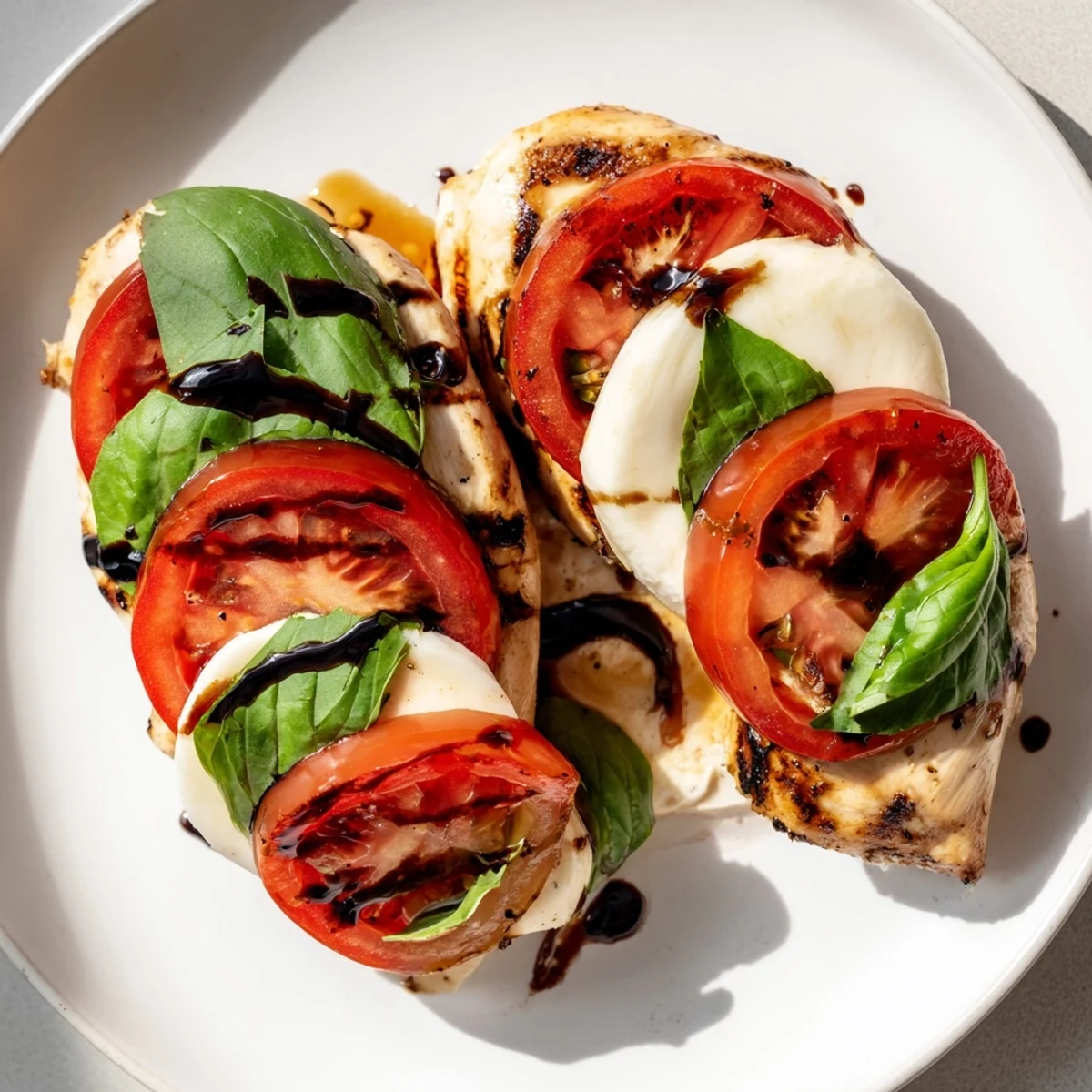
Save This recipe isn't complicated, but it transforms the ordinary into something that feels like love on a plate. That's the whole point.
Recipe FAQs
- → How do you prevent the chicken breasts from drying out?
-
Searing the chicken breasts briefly before baking helps lock in moisture. Baking them at the right temperature and not overcooking also ensures tender results.
- → Can I substitute the mozzarella cheese?
-
Yes, provolone or fontina cheeses work well as alternatives, providing a similar melt and flavor profile.
- → How is the balsamic reduction made?
-
Simmer balsamic vinegar and honey over medium heat until reduced by half and syrupy, which concentrates the flavors and adds sweetness.
- → What sides pair well with this dish?
-
A simple green salad, roasted vegetables, or a light pasta complement the flavors perfectly, balancing the richness of the filling.
- → Is this dish suitable for gluten-free diets?
-
Yes, all ingredients are naturally gluten-free, but be sure to verify that balsamic vinegar and other packaged items are labeled gluten-free.