
 Save
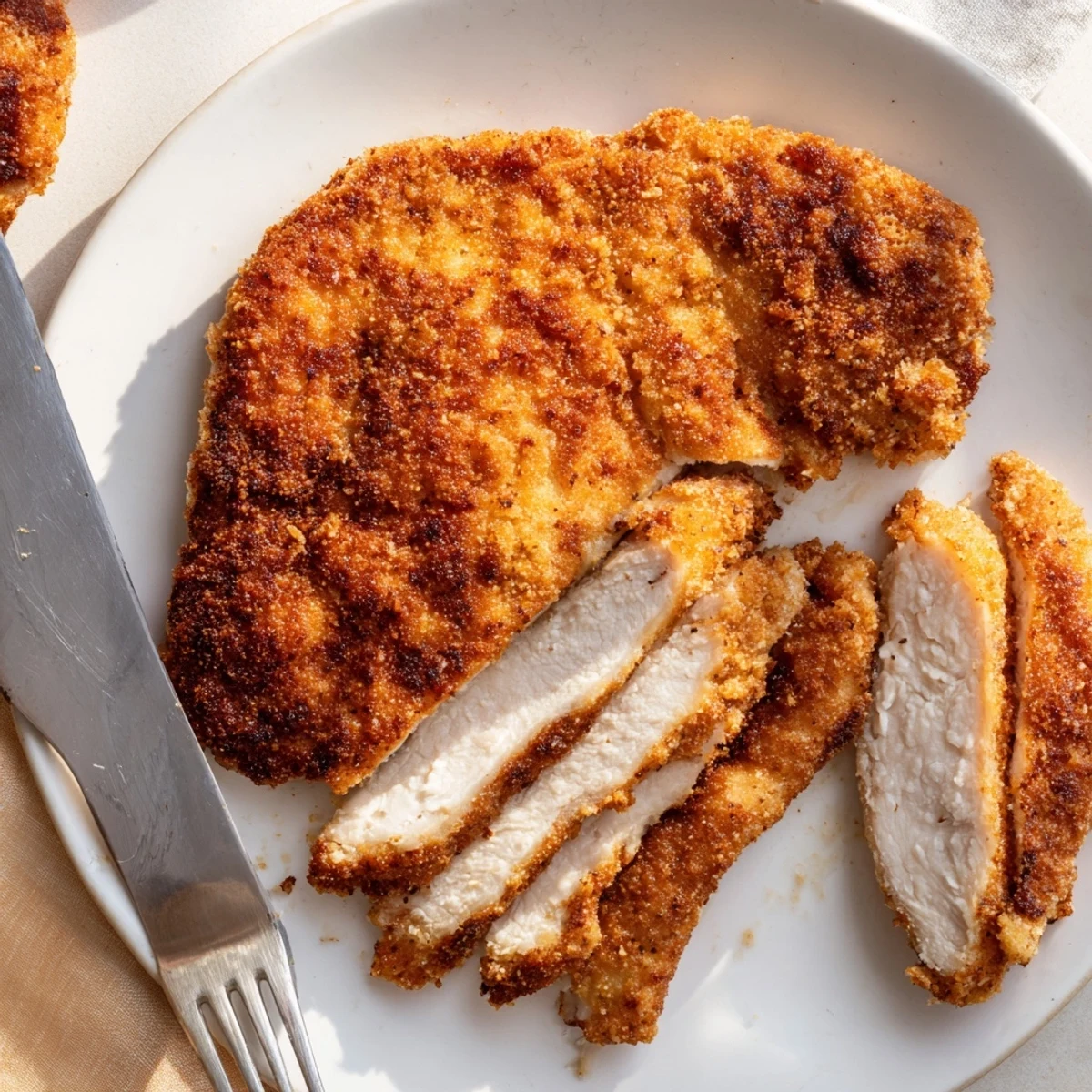
Save Marinate boneless chicken breasts in buttermilk with salt and pepper to tenderize, then press a seasoned mix of flour and cornstarch to form a crisp coating. Fry in hot oil at 350°F (175°C) without crowding for 6–7 minutes per side until the interior reaches 165°F (74°C). Rest briefly to lock juices, then serve with mashed potatoes or coleslaw; increase cayenne for heat or swap gluten-free flour as needed.
The sizzle of chicken hitting hot oil is a sound that immediately pulls everyone into the kitchen, hovering near the stove with plates already in hand. My grandmother never measured anything, relying entirely on the way the coating looked and the fragrance wafting through the house to tell her it was ready. This recipe captures that same soul satisfying crunch and juicy center, but gives you the measurements she never wrote down.
One summer evening my cousin dared me to make fried chicken without a recipe, and the results were so embarrassingly bad that I spent the next three weekends obsessed with getting it right. Turns out the secret was cornstarch all along, a trick a diner cook whispered to me over a cup of coffee at a highway rest stop somewhere between Nashville and Memphis.
Ingredients
- 4 boneless skinless chicken breasts: Pounding them to an even thickness is the single most important step for even cooking and no dried out edges.
- 1 cup buttermilk: This tenderizes the meat while adding a subtle tang that plain milk simply cannot replicate.
- 1 teaspoon salt plus 1/2 teaspoon black pepper for brine: Seasoning the marinade itself layers flavor from the inside out.
- 1 cup all purpose flour: The foundation of the coating, providing structure and that familiar golden crust.
- 1/2 cup cornstarch: This is the real secret weapon, it makes the coating impossibly light and crispy rather than dense.
- 1 teaspoon paprika: Adds a warm color and mild sweetness to the crust.
- 1 teaspoon garlic powder: Distributes savory flavor evenly throughout the coating without burning like fresh garlic would.
- 1/2 teaspoon cayenne pepper (optional): Just enough warmth to make your lips tingle without overwhelming anyone at the table.
- 1 teaspoon salt plus 1/2 teaspoon ground black pepper for coating: Do not skip this, underseasoned breading is the fastest path to bland chicken.
- Vegetable oil for frying (about 2 cups): You need enough depth for the chicken to float and cook evenly on both sides.
Instructions
- Flatten the chicken:
- Place each breast between two sheets of plastic wrap and pound gently with a mallet or rolling pin until about half an inch thick. Listen for that soft rhythmic thud and stop once everything feels uniform.
- Prepare the buttermilk bath:
- Whisk the buttermilk with a teaspoon of salt and half teaspoon of pepper in a bowl wide enough to hold all four breasts. Submerge the chicken, cover, and let it soak for at least thirty minutes or up to four hours in the refrigerator.
- Mix the coating:
- In a separate wide bowl, combine the flour, cornstarch, paprika, garlic powder, cayenne if using, salt, and pepper, whisking until evenly blended. Run your fingers through it to break up any lumps.
- Dredge with intention:
- Remove each breast from the buttermilk, let the excess drip off for a few seconds, then press it firmly into the flour mixture on both sides. Really press the coating into every crevice with your palms for maximum adhesion.
- Heat the oil:
- Pour oil into a large skillet or deep pan to a depth of about half an inch and heat to 350 degrees Fahrenheit. Drop a tiny pinch of flour in to test, it should sizzle immediately but not violently.
- Fry until golden:
- Carefully lower chicken into the oil two pieces at a time, never crowding the pan, and cook six to seven minutes per side until deeply golden and the internal temperature reaches 165 degrees Fahrenheit. The crust should audibly crackle as it cooks.
- Rest and serve:
- Transfer each piece to a paper towel lined plate and let it rest for two to three minutes so the juices redistribute. That brief wait makes the difference between a juicy breast and a puddle on your cutting board.
 Save
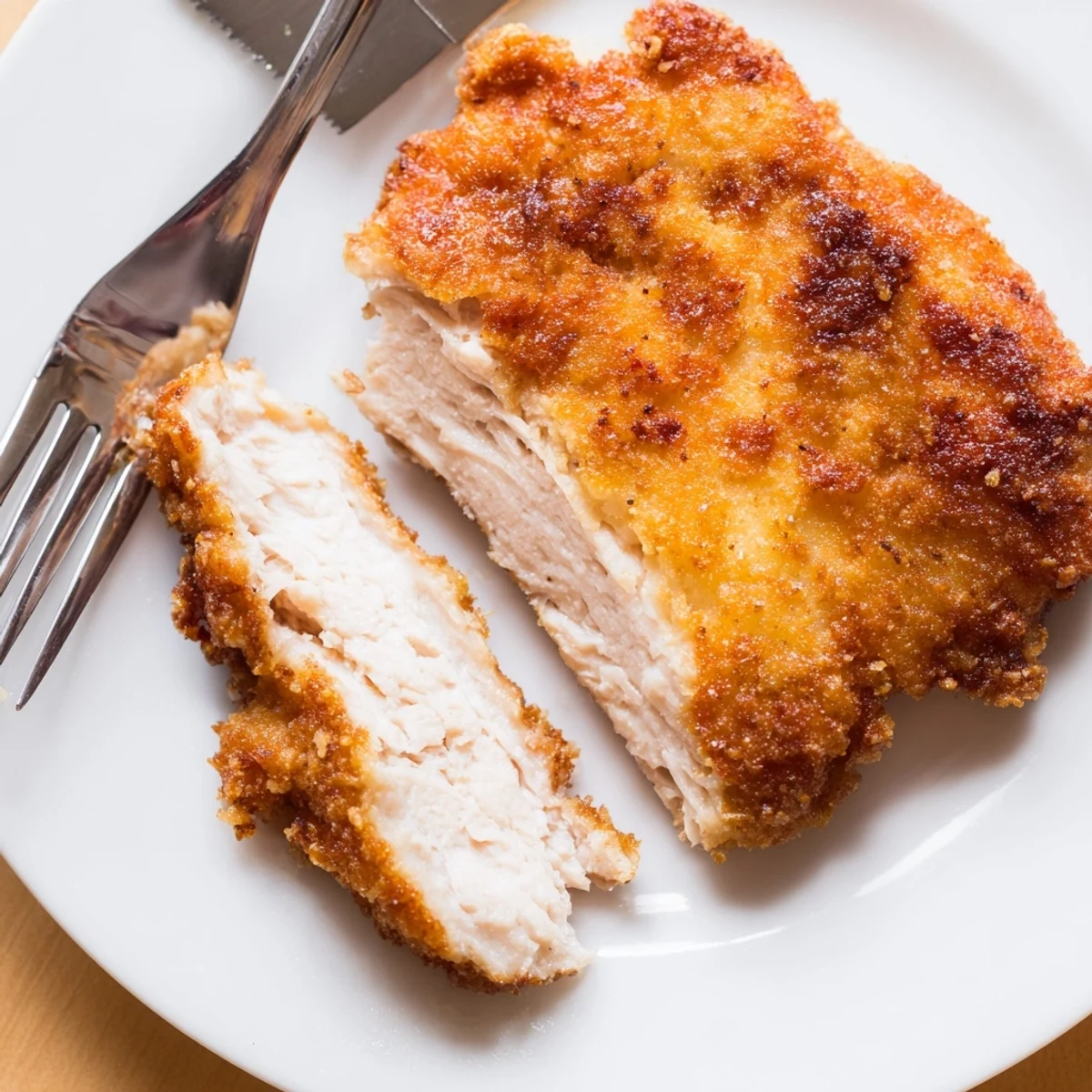
Save There is something about a platter of golden fried chicken that turns an ordinary Tuesday into an occasion worth remembering. My friend Maria once told me it was the best thing she had ever eaten in my kitchen, and I suspect she was just being kind, but I choose to believe her completely.
The Overnight Trick That Changes Everything
If you have the foresight to start the night before, marinating the chicken in buttermilk overnight transforms the texture into something genuinely remarkable. The acid and enzymes in buttermilk break down the protein fibers slowly, so by dinnertime the next day you have chicken that practically melts. I once forgot a batch in the fridge for nearly twenty four hours and it turned out to be the best mistake I ever made in the kitchen.
Serving Ideas Beyond the Plate
Sandwiches are the unsung hero of leftover fried chicken, especially layered with pickles and a swipe of honey mustard on a toasted brioche bun. Cold fried chicken straight from the refrigerator at midnight is also a perfectly valid and underappreciated tradition.
When Things Go Wrong (And They Sometimes Do)
Fried chicken is forgiving but not indestructible, and a few common missteps can derail an otherwise solid batch. Keep these reminders handy and you will avoid the pitfalls that catch almost everyone at least once.
- If the coating falls off during frying, your oil was either too cold or you did not press the flour on firmly enough.
- Letting the dredged chicken sit for five minutes before frying helps the coating bond to the meat.
- Always check the thickest part of the breast with a thermometer, visual cues alone can deceive you.
 Save
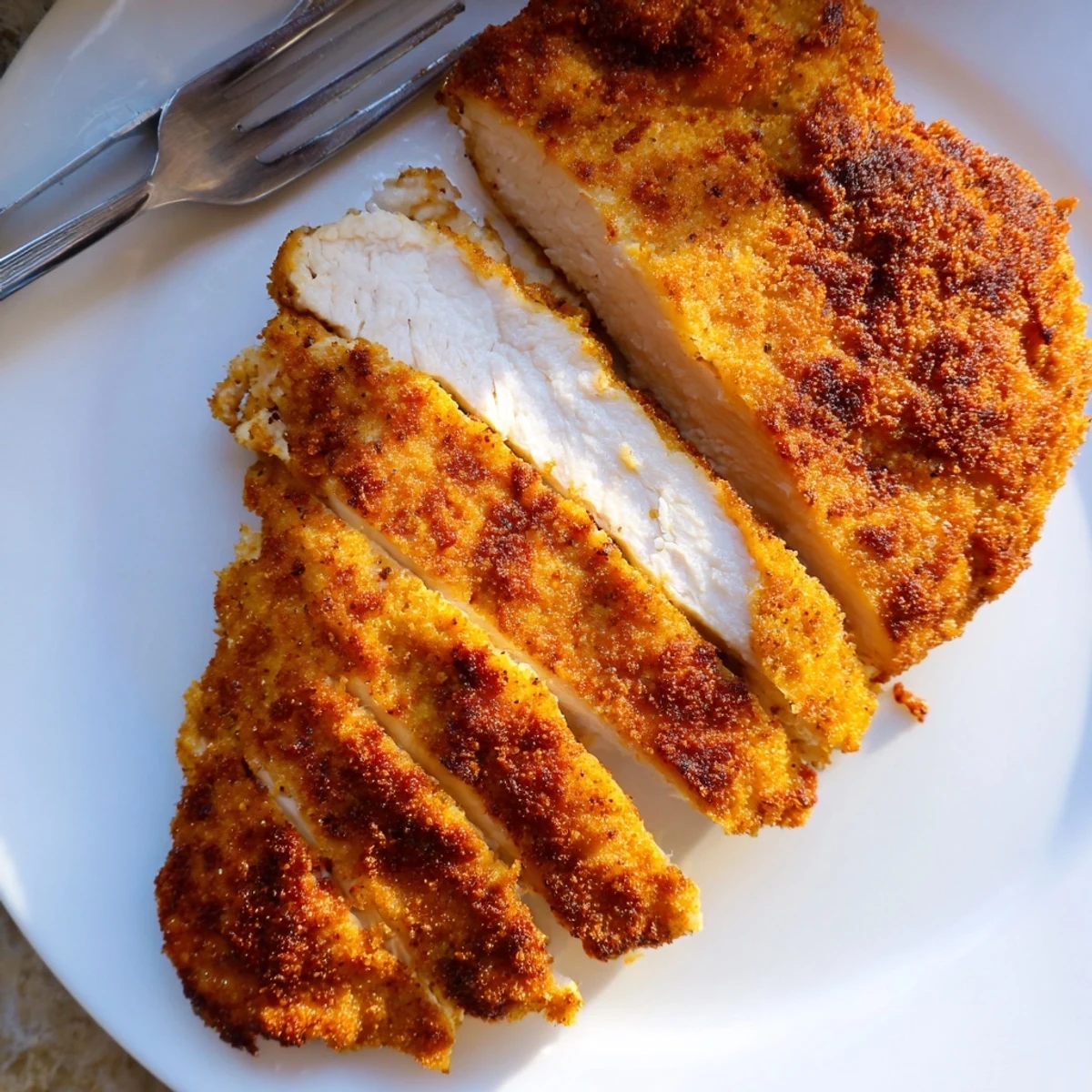
Save Some recipes earn their place in your permanent rotation not because they are fancy, but because they make people close their eyes and smile with every single bite. This is that recipe, and it deserves a spot in your kitchen too.
Recipe FAQs
- → How long should I marinate the chicken?
-
Marinate for at least 30 minutes to tenderize; 2–4 hours boosts flavor and juiciness, and an overnight soak yields the most tender results.
- → What oil temperature is best for frying?
-
Heat oil to 350°F (175°C) for steady browning. Use a thermometer and adjust heat between batches to keep the temperature consistent.
- → How do I get a super-crisp coating?
-
Combine flour with cornstarch and spices, press the mixture firmly onto damp chicken, and avoid overcrowding the pan so the crust fries quickly and evenly.
- → How can I tell when the chicken is done?
-
Check with a kitchen thermometer: the internal temperature should reach 165°F (74°C). Alternatively, slice to ensure juices run clear and the meat is opaque throughout.
- → Can I make this gluten-free?
-
Yes. Substitute all-purpose flour with a gluten-free flour blend while keeping cornstarch; adjust seasoning since some blends absorb moisture differently.
- → What’s the best way to reheat leftovers?
-
Reheat in a 375°F (190°C) oven on a wire rack for 10–15 minutes to revive the crisp crust without drying the meat.