
 Save
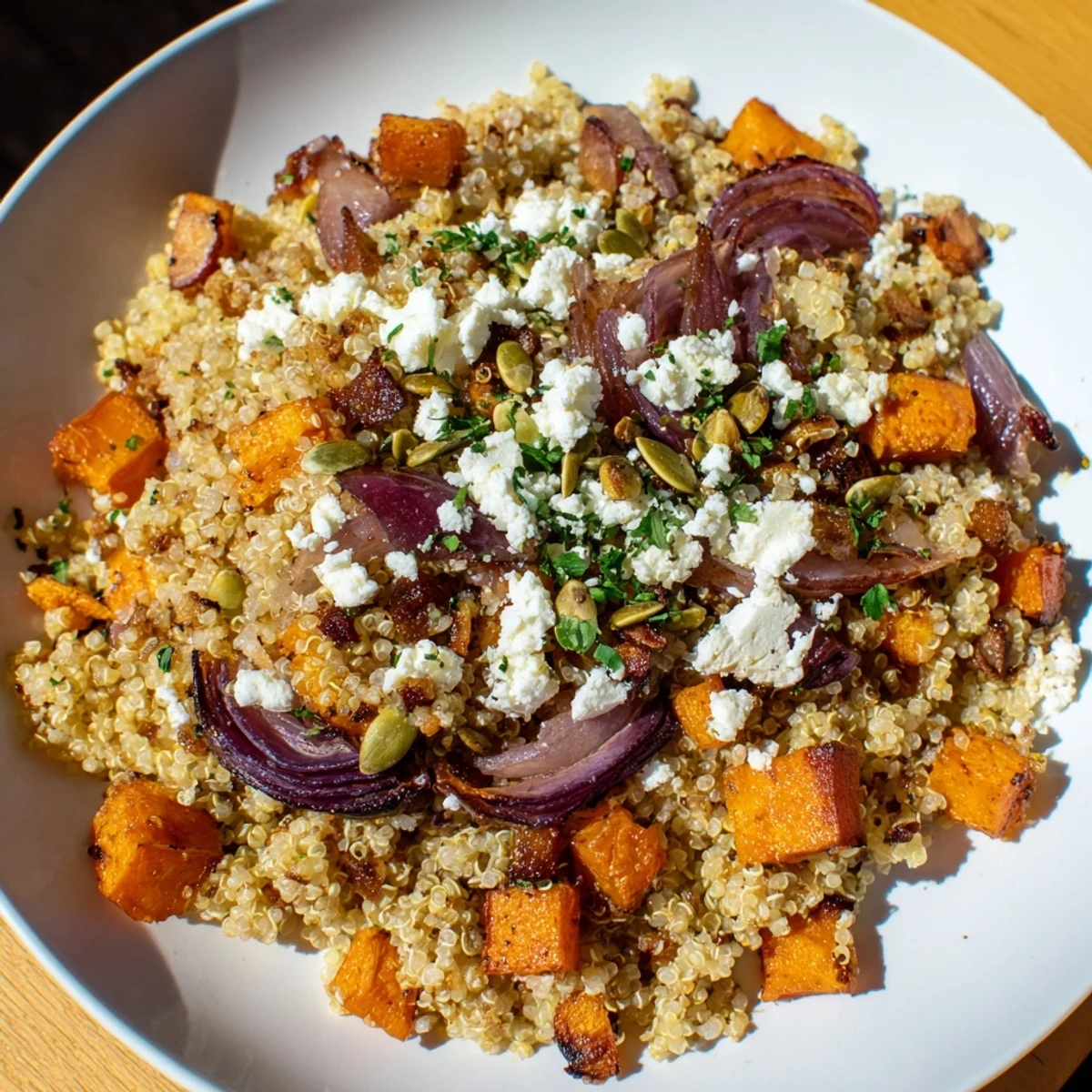
Save This wholesome dish combines fluffy quinoa with tender, caramelized root vegetables like sweet potatoes and carrots. Tossed with toasted pumpkin seeds and crumbled feta, it offers a delightful mix of textures. Finished with a tangy lemon-honey dressing, it's ideal for a nutritious lunch or comforting side.
I discovered this salad by accident one autumn afternoon when my farmer's market haul sat on the counter looking more like an art project than dinner. The carrots were deeply orange, the parsnips had that creamy pale sweetness, and I had a half cup of quinoa left over from the week before. Two hours later, my kitchen smelled like caramelized honey and cumin, and I realized I'd stumbled onto something I'd be making for years.
My roommate walked in while I was tossing the warm salad with dressing, the feta already starting to soften from the heat, and asked if she could stay for dinner. We ended up sitting on the kitchen floor eating it straight from the bowl, passing it back and forth between us, talking until the salad had cooled completely and tasted entirely different—which somehow made it even better.
Ingredients
- Quinoa: Rinse it well under cold water—this removes the bitter coating and gives you fluffy individual grains instead of a gluey mess.
- Carrots and parsnips: Cut them to roughly the same size so they roast evenly and caramelize at the same pace.
- Sweet potato: Choose one that feels dense; watery varieties will steam instead of roast.
- Red onion: Cut into wedges rather than small pieces so they hold their shape and develop sweet, charred edges.
- Olive oil, thyme, and cumin: The thyme is earthy and the cumin adds a warm spice that feels somehow expected but still surprising.
- Feta cheese: Crumble it by hand just before serving so the pieces stay chunky and distinct rather than turning powdery.
- Pumpkin seeds: Toast them yourself if you have time—store-bought toasted ones lose their crunch by the time you're ready to eat.
- Fresh parsley: A bright, clean finish that cuts through the richness of everything else.
- Dressing: The mustard acts as an emulsifier and the honey rounds out the acid from the lemon so nothing tastes sharp.
Instructions
- Heat the oven and prep your vegetables:
- Set the oven to 425°F and line a baking sheet while you're thinking about it. Toss all your root vegetables with olive oil, thyme, cumin, salt, and pepper—your hands work better than a spoon for coating everything evenly.
- Roast until golden and tender:
- Spread everything in a single layer and roast for 25-30 minutes, stirring halfway through so nothing sticks or burns. You'll know it's ready when the edges are darkened and the vegetables smell almost sweet.
- Cook the quinoa simultaneously:
- While the vegetables roast, bring quinoa and water to a boil in a saucepan, then cover and simmer on low for 15 minutes. The water should absorb completely; if it doesn't, drain any excess before fluffing with a fork.
- Make the dressing:
- Whisk together olive oil, lemon juice, Dijon mustard, honey, salt, and pepper in a small bowl. Taste and adjust—if it feels too lemony, add a touch more honey; if too sweet, squeeze more lemon.
- Combine everything while warm:
- Transfer the warm quinoa to a large serving bowl, add the roasted vegetables, crumbled feta, toasted pumpkin seeds, and parsley. Drizzle the dressing over everything and toss gently so the feta stays in visible chunks.
- Serve warm or let it cool:
- This salad tastes different at each temperature and somehow better at all of them—warm quinoa melts the feta slightly, and room temperature lets all the flavors settle into each other.
 Save
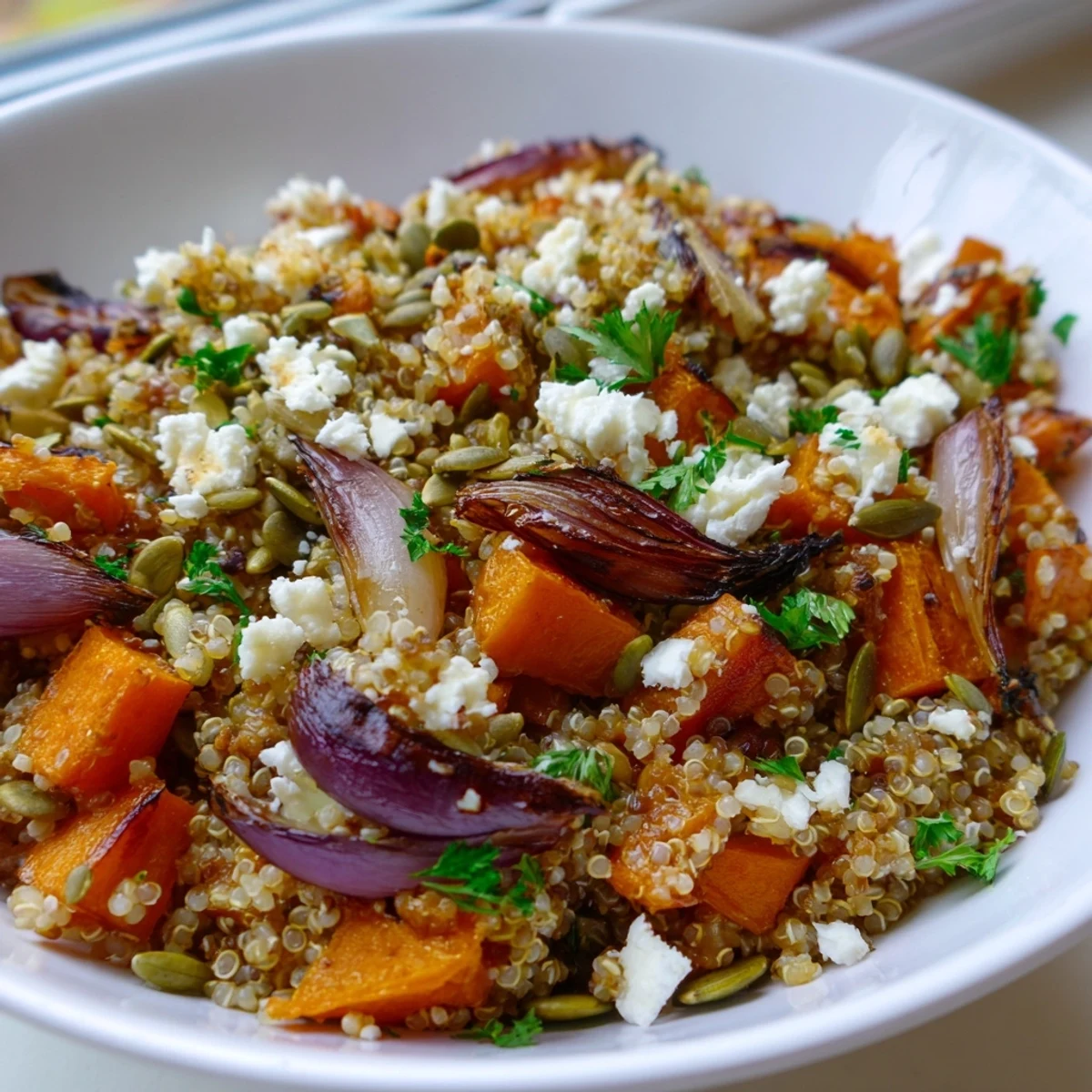
Save There's a moment when you taste this salad and all the small decisions suddenly make sense—why the cumin instead of something spicier, why the parsnips instead of just more carrots, why the feta has to be crumbled and not shredded. It's the kind of dish that becomes a reason to cook, not just something you make because it's dinner time.
Why Root Vegetables Belong on a Plate Together
Root vegetables are rarely dramatic—they don't have the pop of fresh tomatoes or the crispness of raw greens. But when you roast them, they become honest and concentrated, each one tasting more like itself. Carrots turn sweet, parsnips develop an almost vanilla-like creaminess, and sweet potatoes taste like caramel. Put them together and they create a kind of flavor conversation instead of competing.
The Warm Salad Advantage
Most salads are a race against time—greens wilt, dressing separates, everything gets soggy. A warm salad inverts that equation. The grains still have structure, the vegetables stay tender without turning to mush, and the feta softens just enough to blur into the whole dish. It feels generous instead of rushed.
Building a Salad That Keeps Tasting Good
The texture contrast in this recipe comes from the soft grains and vegetables balanced against the crunch of toasted seeds. The acidity from lemon and mustard keeps everything bright instead of heavy. The fresh parsley comes last so it stays vibrant and doesn't get lost.
- Toast your own pumpkin seeds in a dry pan for 3-4 minutes until they smell nutty and pop slightly.
- Save the dressing to drizzle just before serving rather than mixing it all in at once—this keeps the flavors distinct longer.
- If you're making this ahead, keep the parsley and seeds separate and add them when you reheat or serve.
 Save
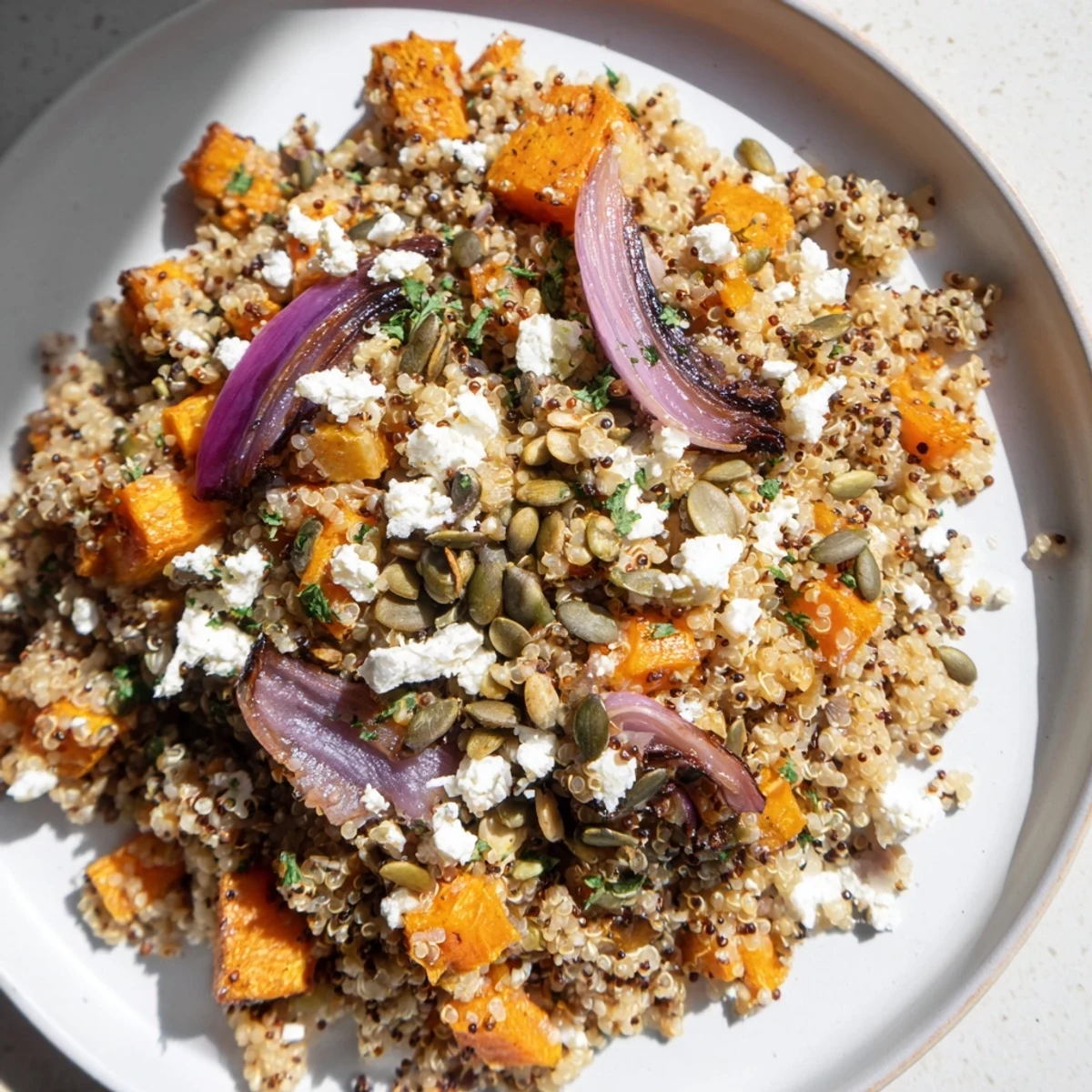
Save This salad taught me that wholesome doesn't have to feel like penance, and that sometimes the best meals come from having no particular plan. Make it, share it, eat it alone on the kitchen floor—it works every way.
Recipe FAQs
- → Can I make this vegan?
-
Yes, simply omit the feta cheese or use a plant-based alternative to make it fully vegan.
- → What other vegetables work well?
-
You can substitute the root vegetables with turnips, beets, or butternut squash depending on the season.
- → Can this be served cold?
-
While best served warm or at room temperature, the leftovers can be eaten cold straight from the fridge.
- → How do I add more protein?
-
Adding cooked chickpeas or white beans is a great way to boost the protein content.
- → How should I store leftovers?
-
Store the salad in an airtight container in the refrigerator for up to 3 days.