
 Save
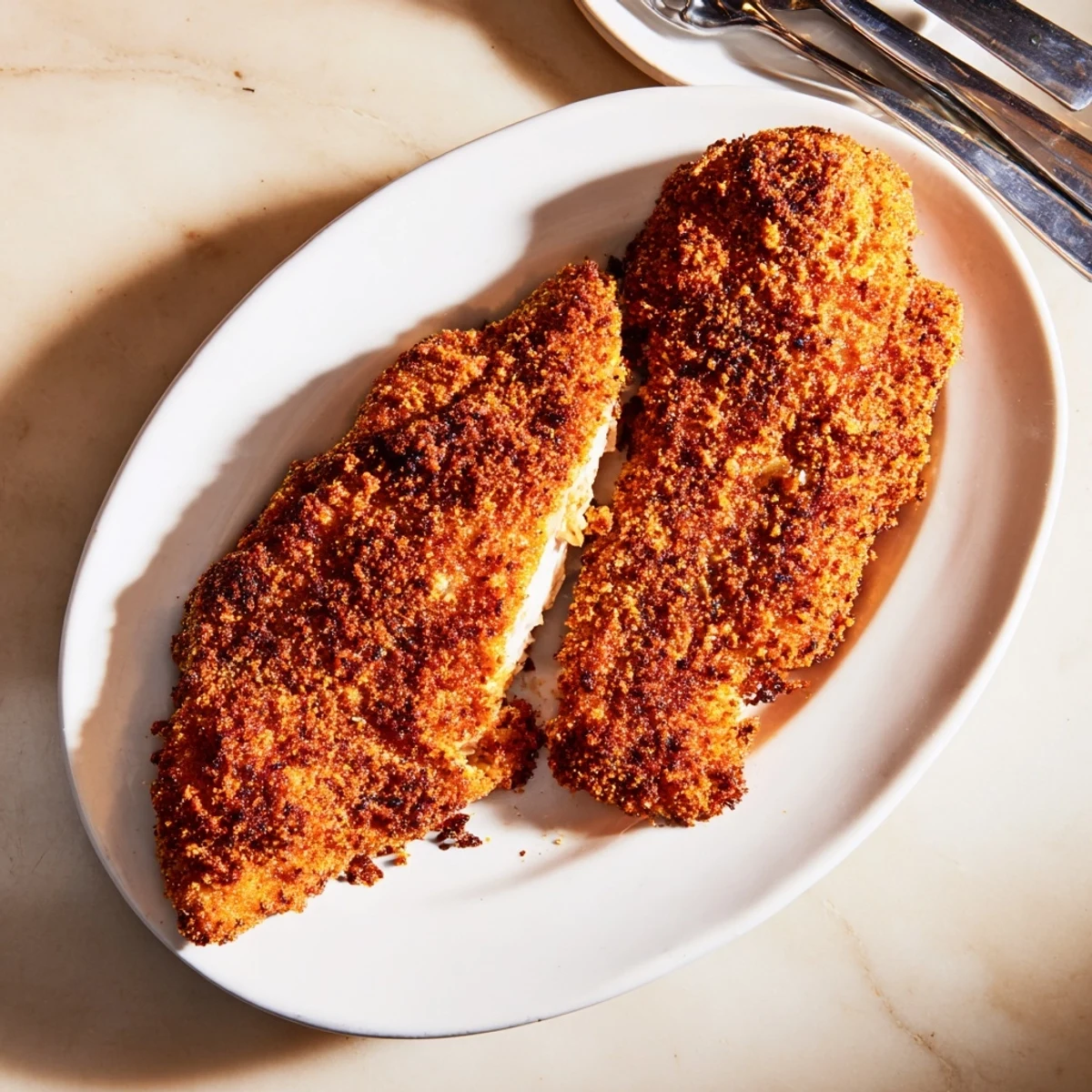
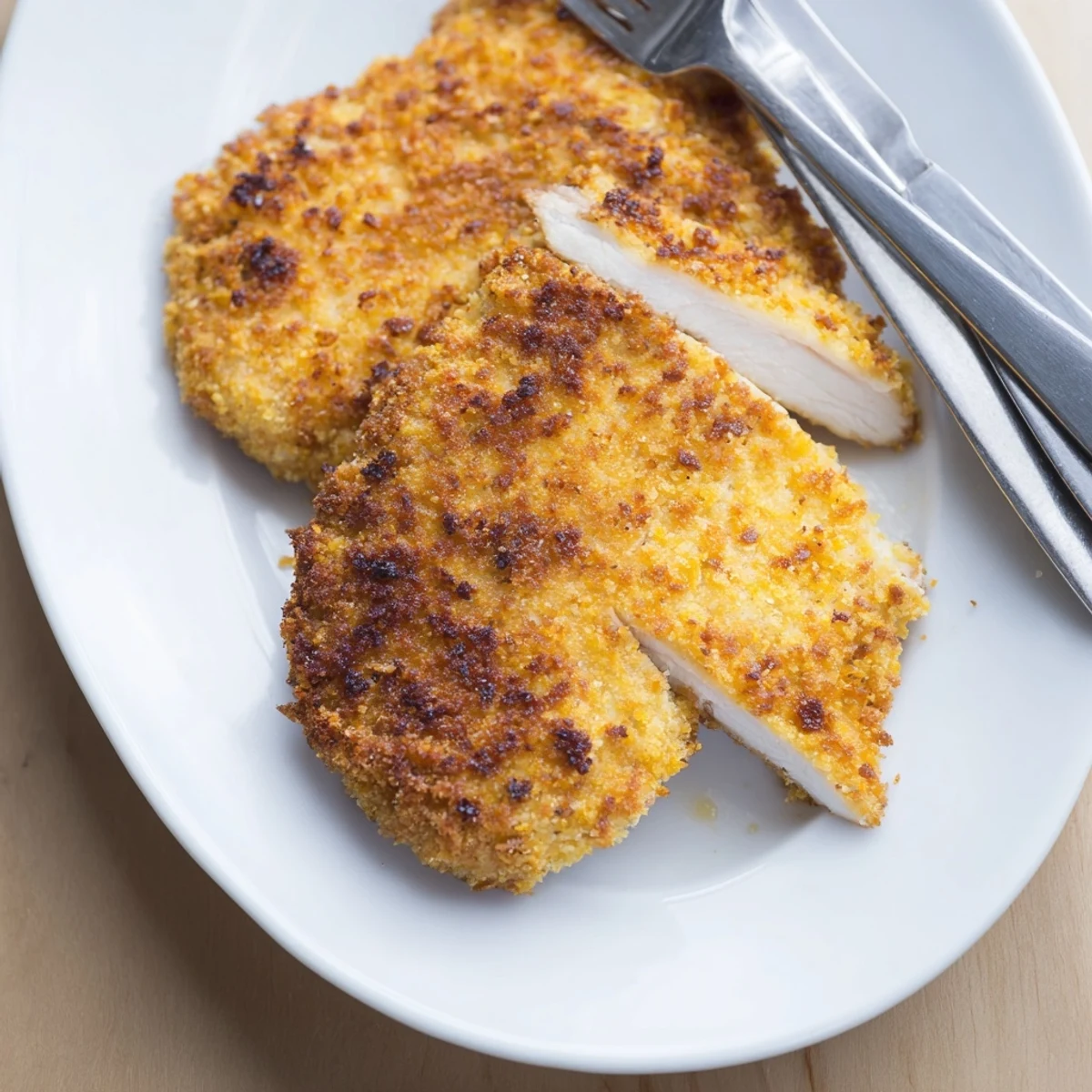
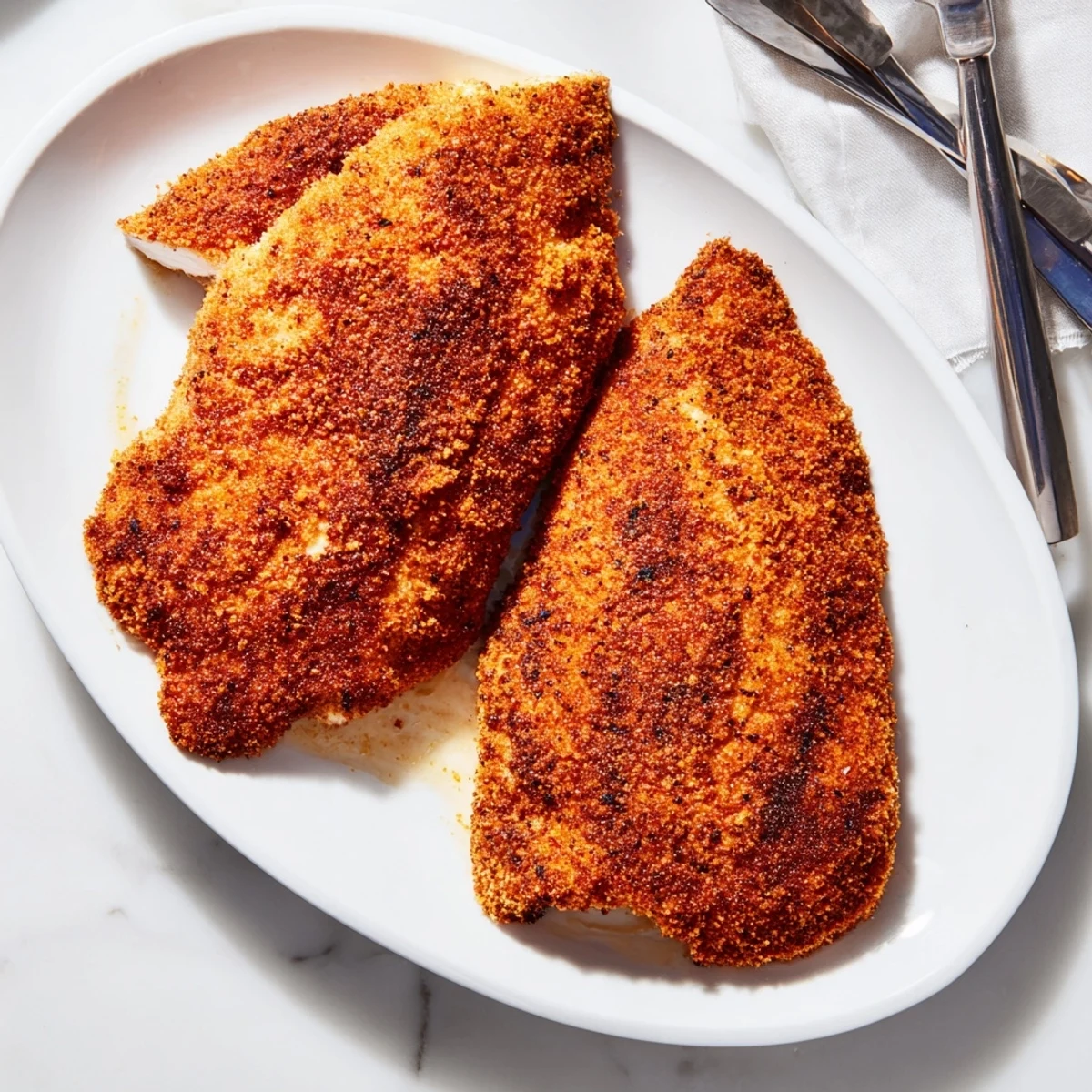
Save Transform simple chicken breasts into a crispy, juicy centerpiece with this foolproof frying technique. The buttermilk marinade keeps the meat tender while the seasoned breadcrumb coating creates that irresistible golden crunch. Each breast gets perfectly cooked in hot oil until crispy outside and juicy inside—ready in just 30 minutes for a satisfying meal any night of the week.
The sizzle of chicken hitting hot oil is one of those sounds that pulls everyone into the kitchen, no invitation needed. My roommate in college used to follow that sound like a compass, appearing at the stove before the first piece even turned golden. Fried chicken breast was our Sunday ritual, a cheap luxury that made a cramped apartment feel like a real home. It still does.
There was a winter evening when the power went out and I fried chicken on a camp stove in near darkness, guided entirely by sound and smell. The coating was uneven, the oil temperature unpredictable, and it was somehow the best batch I ever made. Cooking by instinct taught me more about frying than any thermometer ever could.
Ingredients
- 4 boneless, skinless chicken breasts (about 150 g each): Pounding them to even thickness is the single most important step, because uneven breasts mean dry edges and raw centers.
- 120 ml buttermilk: This tenderizes the meat and helps the coating stick, so do not skip it or substitute regular milk without adding a splash of lemon juice.
- 1 large egg: Binds the marinade together and adds richness to the final crust.
- 1 tsp salt: Seasons the meat from within, which surface seasoning alone can never fully achieve.
- 1/2 tsp black pepper: Freshly ground makes a noticeable difference in the marinade.
- 1 tsp garlic powder: Infuses the chicken with a mellow, savory depth that fresh garlic would burn during frying.
- 1 tsp paprika: Adds warmth and a subtle sweetness to the base flavor.
- 120 g all-purpose flour: Creates the structural backbone of the coating so it adheres firmly.
- 100 g breadcrumbs (panko or regular): Panko delivers a lighter, crispier crust, while regular breadcrumbs give a denser, more traditional crunch.
- 1/2 tsp salt (for coating): A separate pinch in the dry mix ensures the crust itself is seasoned, not just the meat.
- 1/2 tsp smoked paprika: Lends a subtle smokiness that makes people ask what your secret ingredient is.
- 1/2 tsp cayenne pepper (optional): A gentle heat that builds in the background without overwhelming anyone at the table.
- 500 ml vegetable oil: Choose a neutral oil with a high smoke point, and do not let it smoke or the crust turns bitter.
Instructions
- Even out the chicken:
- Place each breast between two sheets of plastic wrap and pound gently with a mallet until about 1.5 cm thick. You will hear the satisfying thud soften as the meat yields, and that is when you know it is ready.
- Make the marinade:
- Whisk buttermilk, egg, salt, pepper, garlic powder, and paprika in a bowl large enough to hold all four breasts. Submerge the chicken completely, cover tightly, and let it soak in the fridge for at least 30 minutes or up to 4 hours if you have the time.
- Set up the coating station:
- In a wide shallow dish, combine the flour, breadcrumbs, salt, smoked paprika, and cayenne with your fingers so the spices distribute evenly. Having everything within arm reach before you start dredging keeps your hands cleaner and the process smoother.
- Dredge with intention:
- Lift each breast from the marinade, let the excess drip off for a second, then press it firmly into the crumb mixture on both sides. Really press with your palms so the coating molds to every curve and corner of the meat.
- Heat the oil:
- Pour oil into a large skillet to a depth of about 1 cm and warm it over medium high heat until the surface shimmers and a tiny crumb sizzles on contact. This takes patience, but adding chicken too early is the fastest path to a greasy, soggy crust.
- Fry to golden glory:
- Lower the chicken into the oil carefully with tongs, leaving space between pieces so they do not steam each other. Cook 5 to 7 minutes per side until deeply golden, then check that the internal temperature hits 75 degrees Celsius at the thickest part.
- Rest before serving:
- Transfer the breasts to a plate lined with paper towels and let them rest for 2 to 3 minutes. This brief pause lets the juices redistribute through the meat instead of spilling onto your plate.
 Save
Save My neighbor once knocked on my door asking what I was cooking because the smell had drifted down the hallway and interrupted her movie. We ended up eating together on the floor of my living room, plates balanced on knees, and she told me stories about her grandmother frying chicken on a coal stove in Alabama.
Serving Suggestions
Mashed potatoes and a simple coleslaw are the classic companions for a reason, because the creamy and crunchy textures balance every bite. A bright lemon wedge squeezed over the crust right before eating wakes up all the flavors instantly. For a lighter approach, slice the breast over a bed of mixed greens with a buttermilk dressing.
Getting Ahead
You can marinate the chicken the night before and keep it covered in the fridge, which makes weeknight cooking feel almost effortless. The dry coating mix stores well in a sealed container for weeks, so I usually make a double batch to save time later. If you want to prep even further ahead, bread the chicken fully and freeze it on a sheet pan before transferring to a bag for up to a month.
Troubleshooting and Final Thoughts
Every batch teaches you something new about heat, timing, or patience with the process. After years of frying chicken, I still learn small adjustments that make the next one better than the last.
- If the crust is browning too fast but the center is still cold, lower the heat slightly and give it more time.
- Never crowd the pan, because each piece needs its own space of hot oil around it to crisp properly.
- Trust the thermometer over the clock, since cooking times vary with breast thickness and oil temperature.
 Save
Save Fried chicken breast is never just a meal in my house, it is an event that brings people to the table laughing and reaching for seconds before the first plate is empty.
Recipe FAQs
- → How do I keep chicken breasts juicy when frying?
-
Marinate the chicken in buttermilk for at least 30 minutes before coating. The buttermilk tenderizes the meat and helps it retain moisture during frying. Pound thicker breasts to even thickness so they cook evenly without drying out.
- → What oil temperature is best for frying chicken?
-
Heat your oil to 175°C (350°F) before adding the chicken. The oil should shimmer but not smoke. If it's too cool, the coating gets soggy; too hot and the outside burns before the inside cooks through.
- → Can I use regular breadcrumbs instead of panko?
-
Absolutely! Panko yields an extra-crispy, lighter coating, but regular breadcrumbs work perfectly well. For added crunch, you can mix both types or add crushed cornflakes to your coating mixture.
- → How long should I fry each chicken breast?
-
Fry for 5–7 minutes per side, turning once, until golden brown and crispy. Use a meat thermometer to check that the internal temperature reaches 75°C (165°F) for safe consumption.
- → What should I serve with fried chicken?
-
Classic sides include mashed potatoes with gravy, creamy coleslaw, buttered corn, or a crisp green salad. The chicken also pairs well with mac and cheese, roasted vegetables, or biscuits for a complete comfort meal.
- → Can I make this ahead of time?
-
You can marinate the chicken up to 4 hours in advance. For best results, fry just before serving to maintain crispiness. Leftovers can be reheated in a 200°C oven for 10 minutes to restore crunch.