
 Save
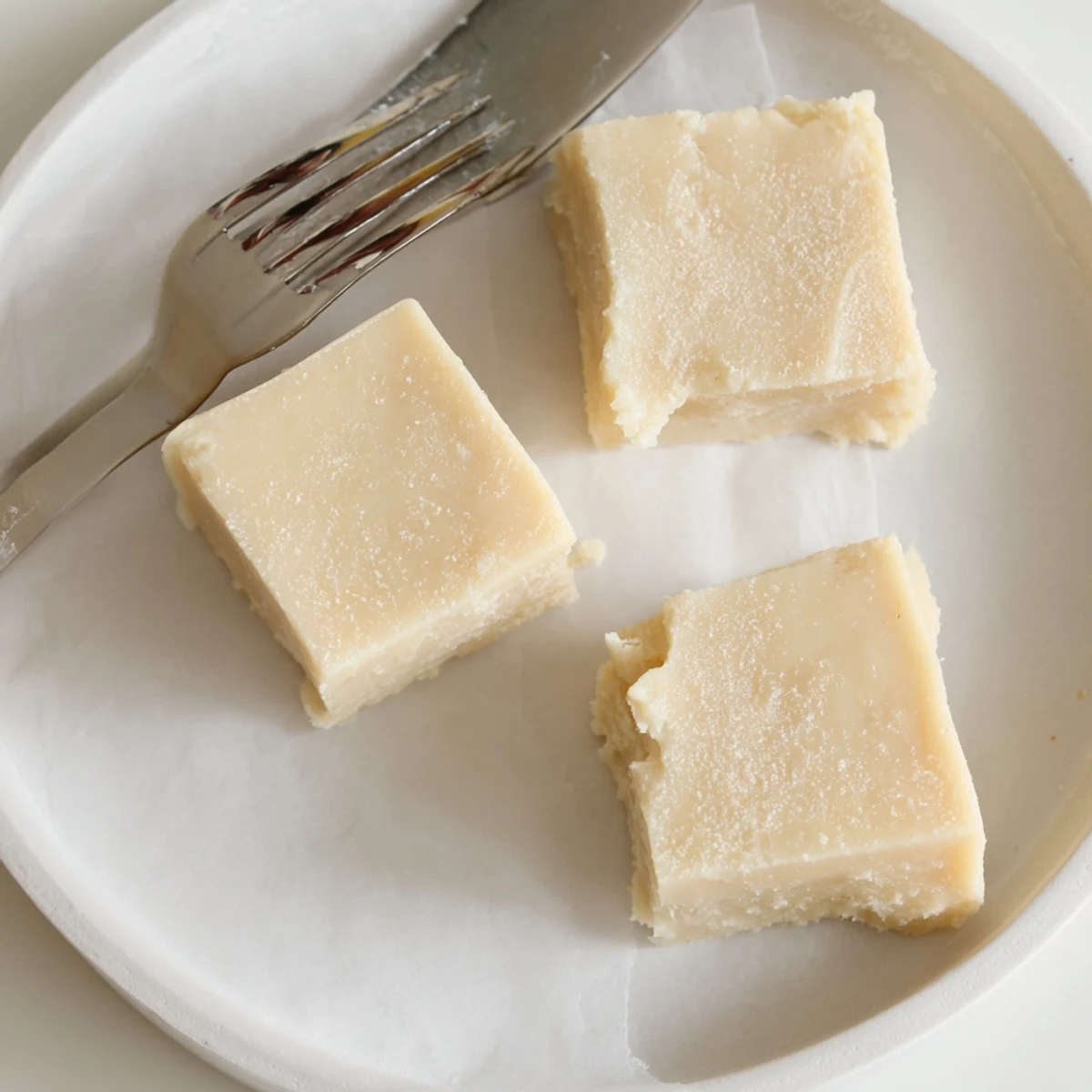
Save Kentucky Cream Candy yields silky, creamy squares made by boiling sugar with heavy cream, milk and butter to the soft-ball stage (240°F). Cool to about 110°F, then beat vigorously until thick and matte. Spread or shape on a prepared pan, let set, then cut. Avoid humid days, and consider dipping in chocolate or folding in chopped pecans for variation.
My grandmother's kitchen in Bowling Green smelled like caramelized sugar every December, and Kentucky Cream Candy was always the first thing she'd make for the holiday tins she handed out to neighbors. She never used a recipe card, just her eyes and that worn wooden spoon she'd tapped against the pot rim a thousand times. The sound of her beating that cooled candy mixture is permanently lodged somewhere in my brain, right next to Christmas carols and crackling fireplaces.
One year I tried making this during a July heat wave because I was craving it, and the humidity turned the whole batch into a sticky, weeping mess that never set properly. That failure taught me to respect the weather when working with sugar, and now I only make cream candy on crisp, dry days between October and March.
Ingredients
- 3 cups granulated sugar: Use fresh sugar that hasnt been sitting open and absorbing moisture, because even slightly clumpy sugar can throw off the final texture.
- 1 cup heavy cream: The fat content here is doing real work, so dont substitute with half and half or light cream if you want that signature melt in the mouth silkiness.
- 1/2 cup whole milk: This thins the cream just enough to keep the candy from becoming too dense, and whole milk matters for the same reason the heavy cream does.
- 1 tablespoon unsalted butter: Adds a subtle richness and helps with the creamy mouthfeel, and unsalted lets you control the final flavor.
- 1/8 teaspoon salt: Just enough to balance the sweetness without making it taste salty, and you really do notice the difference if you skip it.
- 1 teaspoon vanilla extract: Added off the heat so the flavor doesnt cook out, and use pure extract for the warmest, most genuine flavor.
Instructions
- Prep your surface:
- Line a 9x9 inch pan with parchment paper or lightly butter a marble slab so the candy releases cleanly once it sets.
- Combine and melt:
- In a heavy bottomed saucepan, stir together the sugar, heavy cream, milk, butter, and salt over medium heat until the butter melts and everything looks smooth and uniform.
- Cook to soft ball stage:
- Bring the mixture to a boil while stirring constantly, then reduce the heat and let it cook undisturbed until your candy thermometer reads 240 degrees Fahrenheit, which should take about 15 to 20 minutes.
- Cool completely:
- Remove the pot from the heat, pour in the vanilla extract without stirring it in, and let the whole thing sit undisturbed until it cools to 110 degrees Fahrenheit, roughly 30 to 40 minutes.
- Beat until creamy:
- Once cooled, grab a wooden spoon and beat the mixture vigorously for about 8 to 10 minutes until it noticeably thickens, turns creamy, and loses that glossy sheen.
- Shape and set:
- Working quickly before it stiffens too much, spoon the thickened candy onto your prepared surface and gently shape it into logs or squares, then let it rest for 20 to 30 minutes until firm.
- Cut and store:
- Cut into individual pieces with a sharp knife and transfer to an airtight container, separating layers with parchment paper so they dont stick together.
 Save
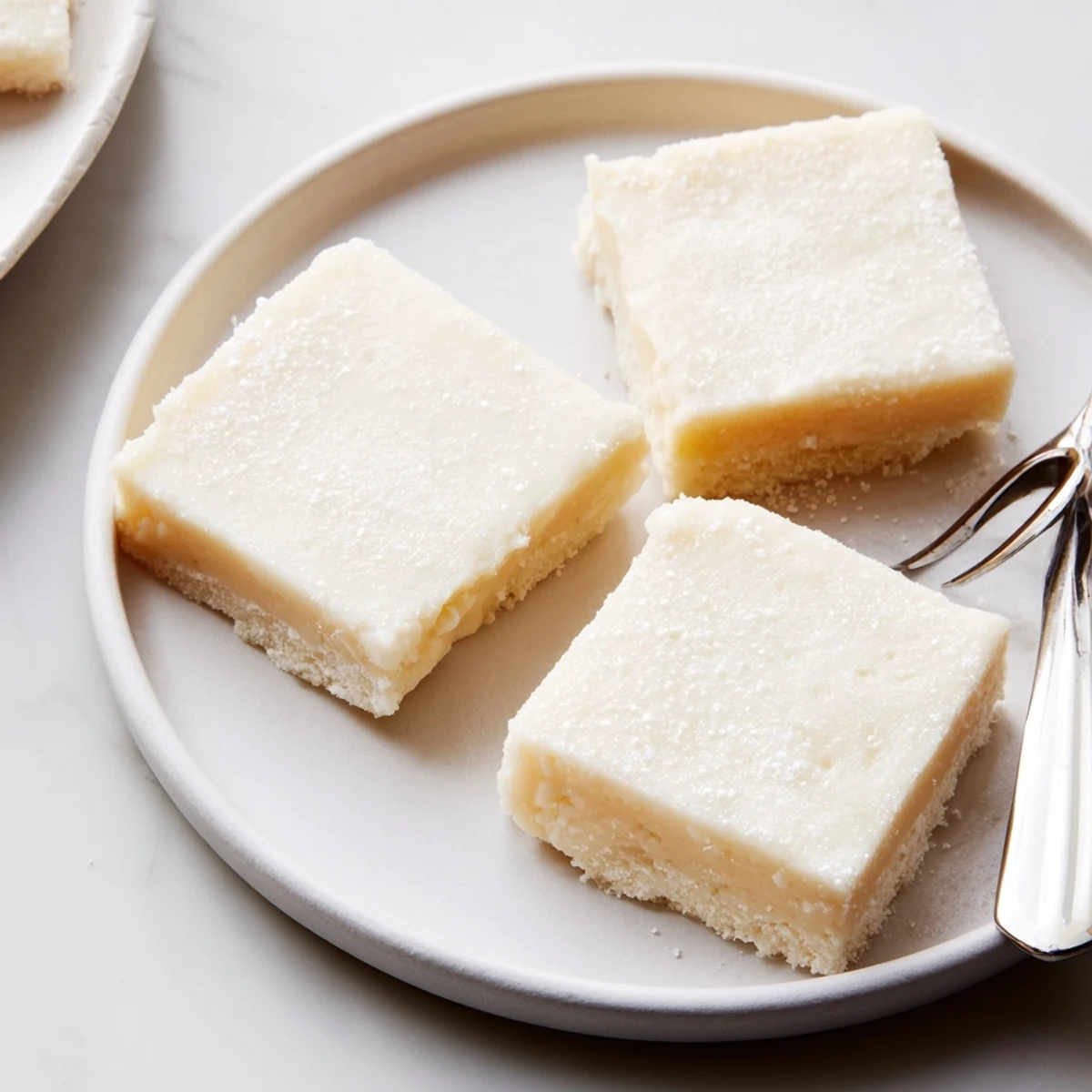
Save I once packed a tin of these candies into a care package for a friend going through a rough patch, and she called me crying because they tasted exactly like the ones her own grandmother used to make in Louisville. That single phone call reminded me why I keep coming back to this recipe year after year.
A Few Words on Patience
The waiting period between cooking and beating is where most people lose their nerve and start stirring too soon, which almost guarantees grainy candy. I set a timer and walk out of the kitchen entirely so I am not tempted to fuss with it, and that small act of discipline makes all the difference.
Adding Your Own Touch
Chopped pecans or walnuts folded in right after the beating step give the candy a wonderful crunch that contrasts beautifully with the creamy base. You can also dip the finished pieces in melted chocolate once they are fully set, and dark chocolate in particular creates a gorgeous flavor pairing with the sweet vanilla interior.
Storage and Shelf Life
Keep your cream candy in a cool, dry place in an airtight container and it will stay fresh for up to two weeks, though it rarely lasts that long in my house.
- Separate each layer of candy with a small square of parchment paper to prevent sticking.
- If the candy feels too soft after cutting, pop it in the refrigerator for 15 minutes to firm it up before serving.
- Always bring it back to room temperature before eating for the best texture and flavor.
 Save
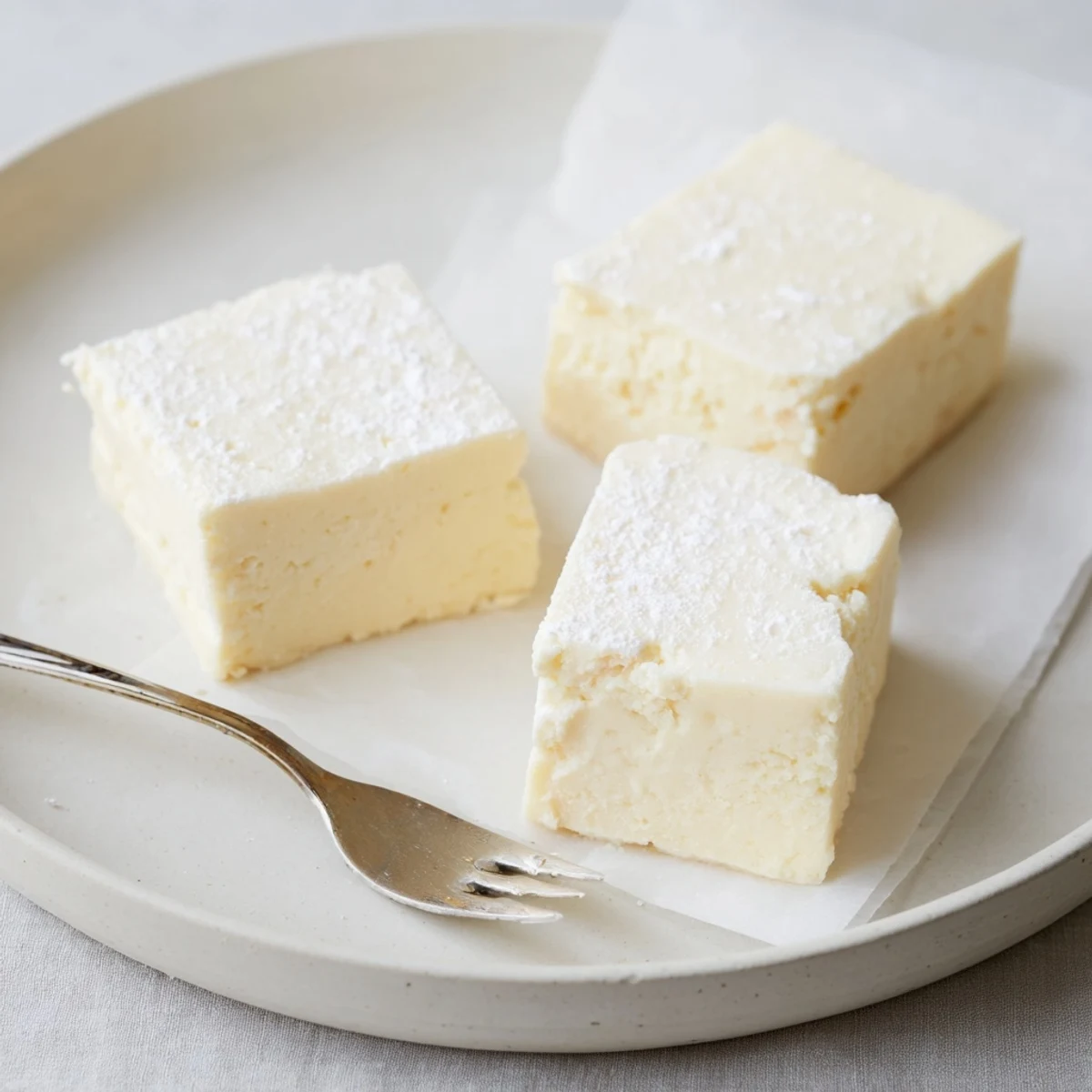
Save There is something deeply satisfying about transforming a handful of humble pantry staples into candy that genuinely impresses people, and this recipe proves that patience and a thermometer are really all you need. Share it generously, and watch faces light up.
Recipe FAQs
- → How do I know when the mixture reaches the soft-ball stage?
-
Use a candy thermometer and watch for 240°F. Alternatively, drop a small amount into cold water — it should form a soft, pliable ball that flattens when removed.
- → Why must the mixture cool to about 110°F before beating?
-
Cooling to roughly 110°F lets the sugar begin to crystallize; beating at this point creates the smooth, creamy texture rather than a grainy finish.
- → Can I add nuts or coatings?
-
Yes. Fold in chopped pecans or walnuts after the mixture has thickened, or dip pieces in melted chocolate once fully set for added texture and flavor.
- → What causes a grainy texture and how do I avoid it?
-
Graininess often comes from premature stirring or humidity. Avoid stirring after the boil, keep equipment dry, and work on low-humidity days for the best creamy result.
- → How should finished pieces be stored?
-
Store in an airtight container at cool room temperature. Separate layers with parchment to prevent sticking; refrigerate only if your kitchen is unusually warm, but allow pieces to come to room temperature before serving.
- → Are substitutes for heavy cream acceptable?
-
Substituting changes texture; half-and-half or evaporated milk will produce a different richness. Heavy cream gives the smoothest, creamiest mouthfeel characteristic of the candy.