
 Save
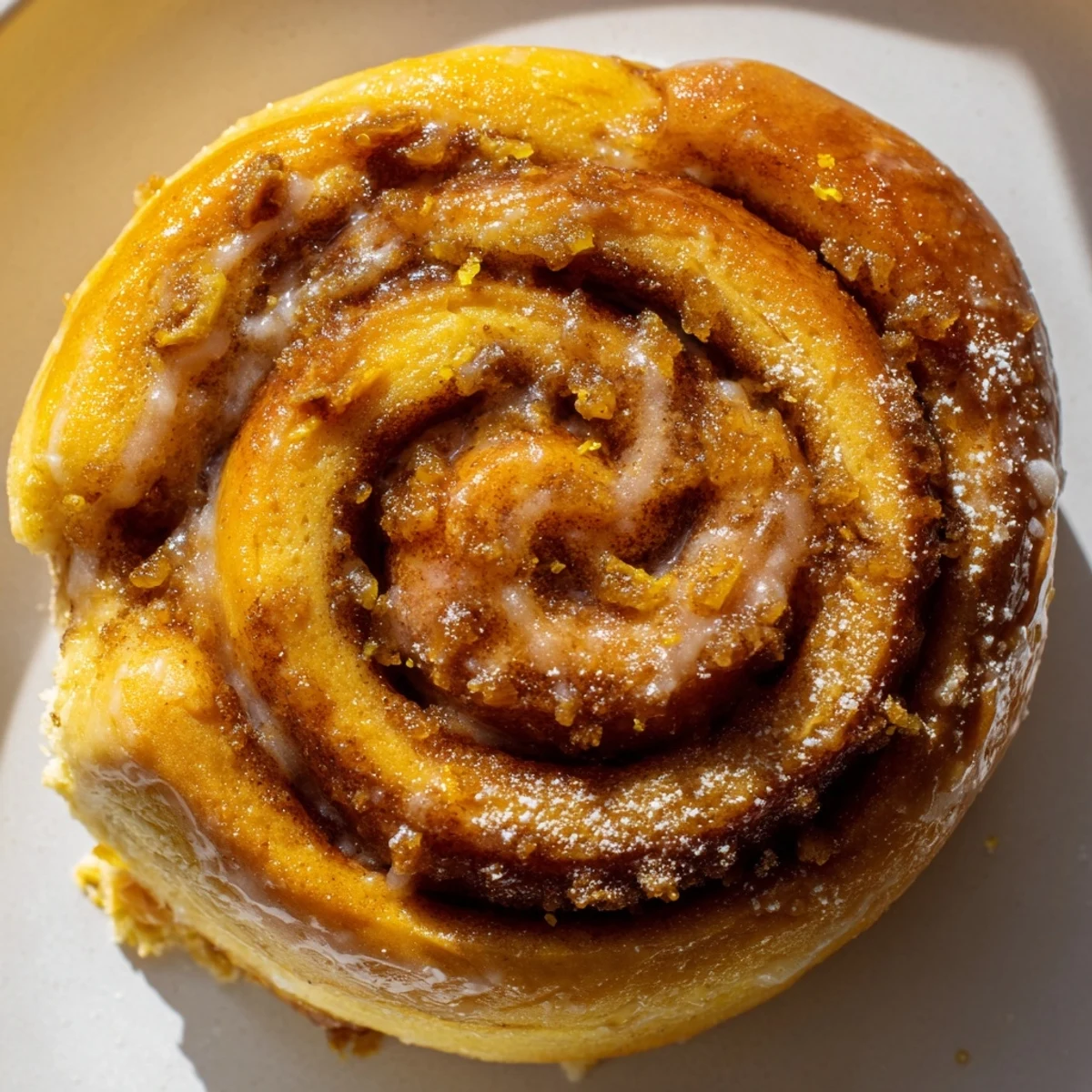
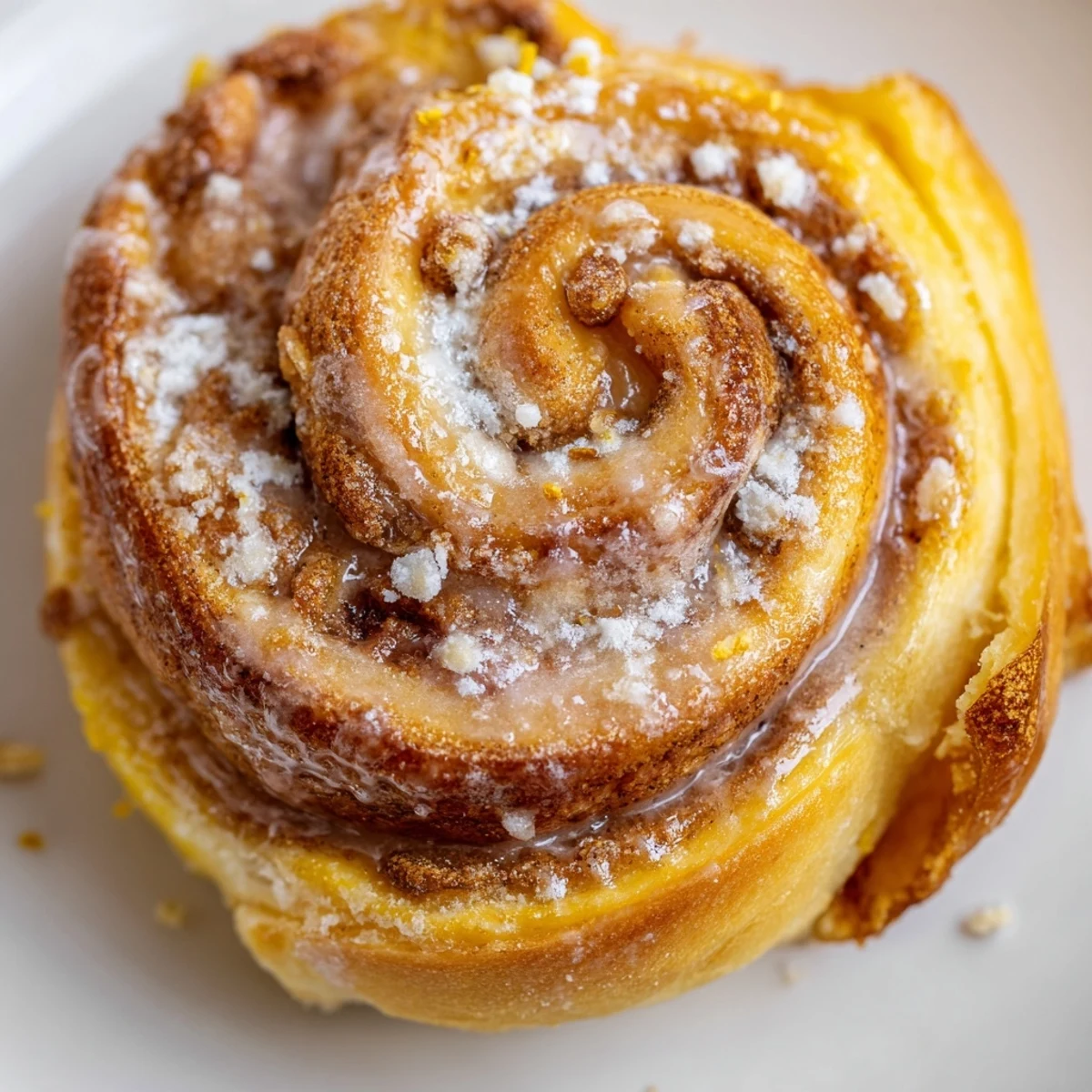
Save Proof yeast in warm milk mixed with orange juice, then stir in eggs, melted butter, sugar and orange zest. Knead to a smooth, slightly sticky dough and let double in size (about 1–1.5 hours). Roll into a rectangle, spread a brown sugar, cardamom and butter filling, roll tightly and cut into 12. After a 30–40 minute second rise, bake 20–25 minutes until golden and drizzle a cardamom-orange glaze. Serve warm; optionally add toasted pecans or swap cardamom for ginger for a different spice note.
The smell of cardamom toasting in a buttery skillet at six in the morning is enough to make anyone reconsider every breakfast they have ever settled for. I stumbled into these orange cardamom morning buns during a phase where I was obsessed with proving to myself that yeasted dough was not some exclusive club I could not join. Three batches later, with flour on my forehead and a kitchen that smelled like a Swedish bakery, I finally got it right. Now they show up at every brunch I host, no occasion required.
My neighbor Karen knocked on my door the morning I was testing these, supposedly to return a borrowed casserole dish, but she lingered in the doorway sniffing the air like a cartoon character floating toward a pie. I sent her home with two buns and she texted me three compliments before noon.
Ingredients
- All purpose flour (440 g): You want plain AP flour here, nothing fancy. Bread flour makes them too chewy and cake flour turns them into sad little pancakes.
- Granulated sugar (65 g): Just enough to feed the yeast and sweeten the dough without making it overly sweet before the filling even arrives.
- Active dry yeast (1 packet): Check the expiration date. I learned this the hard way after waiting two hours for dough that never rose because my yeast was older than my sourdough starter.
- Warm whole milk (120 ml): Think warm bath temperature, not hot coffee. Anything above 115 degrees will kill the yeast and ruin your morning.
- Freshly squeezed orange juice (80 ml): The store bought stuff works in a pinch but fresh juice gives the dough a brightness you can actually taste through all that butter.
- Unsalted butter (60 g melted for dough, 60 g softened for filling): Unsalted lets you control the salt level. Melted goes into the dough, softened stays at room temperature for the filling.
- Large eggs (2, room temperature): Pull them out of the fridge thirty minutes before you start. Cold eggs slow down the yeast and make the dough grumpy.
- Salt (1 tsp): Do not skip this. Saltless sweet bread tastes like disappointment wearing a fancy hat.
- Orange zest (2 large oranges total): One zest for the dough and one for the filling. Use a microplane and zest only the orange part. The white pith underneath is bitter and will ruin the vibe.
- Light brown sugar (100 g, packed): The molasses in brown sugar adds depth that white sugar simply cannot replicate in the filling.
- Ground cardamom (2.5 tsp total): Two teaspoons in the filling and half a teaspoon in the glaze. If you have whole pods, grind them fresh for a flavor that will make you question why you ever used the pre ground stuff.
- Ground cinnamon (1 tsp): A quiet background player that makes the cardamom taste more like itself.
- Powdered sugar (120 g): For the glaze. Sift it if it has been sitting in your pantry collecting lumps.
Instructions
- Wake up the yeast:
- Pour warm milk and orange juice into your stand mixer bowl, sprinkle the yeast over the top, and let it sit untouched for five minutes. When it looks frothy and smells faintly like bread is already happening, you are ready to move on.
- Build the dough:
- Add sugar, eggs, melted butter, orange zest, and salt to the foamy yeast mixture. Mix on medium speed until everything is blended and slightly bubbly, scraping down the sides once with a spatula so nothing gets left behind.
- Add the flour gradually:
- Pour in the flour about a half cup at a time with the mixer running on low. The dough should come together into a soft, slightly tacky ball that cleans the sides of the bowl but still leaves a faint sticky residue on your finger when you poke it.
- Knead until smooth:
- Increase speed to medium and let the dough hook work for five to eight minutes. You are looking for a surface that looks smooth and stretches without tearing, like a soft pillow that bounces back when pressed.
- First rise:
- Coat a large bowl with a thin film of oil, plop the dough in, and turn it once to coat. Cover tightly with plastic wrap and tuck it somewhere warm for one to one and a half hours until it has doubled in size and looks smugly puffy.
- Make the filling:
- While the dough rises, mash together brown sugar, softened butter, cardamom, cinnamon, and orange zest in a small bowl until it forms a creamy, spreadable paste that smells absolutely unreal.
- Roll and fill:
- On a floured surface, roll the risen dough into a sixteen by twelve inch rectangle. Spread the filling evenly to the edges, leaving a small border all around so nothing squishes out when you roll.
- Shape the log:
- Starting from the long side, roll the dough up as tightly as you can manage, keeping gentle pressure as you go. Pinch the seam closed and position the log seam side down so it does not unroll itself.
- Cut into buns:
- Slice the log into twelve even pieces using a sharp knife or unflavored dental floss. Floss actually gives you cleaner cuts, which I was skeptical about until I tried it and now I am a convert.
- Second rise:
- Arrange the buns swirl side up in a greased nine by thirteen inch baking dish, cover loosely, and let them puff up for thirty to forty minutes. They should look noticeably swollen and be barely touching each other.
- Bake:
- While the buns rise, heat your oven to 350 degrees. Bake for twenty to twenty five minutes until the tops are golden and the centers are cooked through. Let them cool in the dish for ten minutes so the filling sets slightly.
- Glaze and serve:
- Whisk powdered sugar, orange juice, and cardamom until smooth and drizzly. Pour it over the slightly warm buns and watch it pool into the swirls. Try to wait at least five minutes before eating one, though nobody will blame you if you cannot.
 Save
Save The first time I served these at a holiday breakfast, my brother in law ate four before anyone else sat down and then tried to hide the evidence by rinsing his plate. That plate of buns turned a chaotic morning into the kind of slow, quiet breakfast that people actually remember.
Storing and Reheating
These buns keep well covered at room temperature for two days, though the glaze will gradually soak in and soften. For longer storage, freeze them individually wrapped in foil and reheat in a 300 degree oven for about ten minutes until they taste freshly baked again.
Making Them Your Own
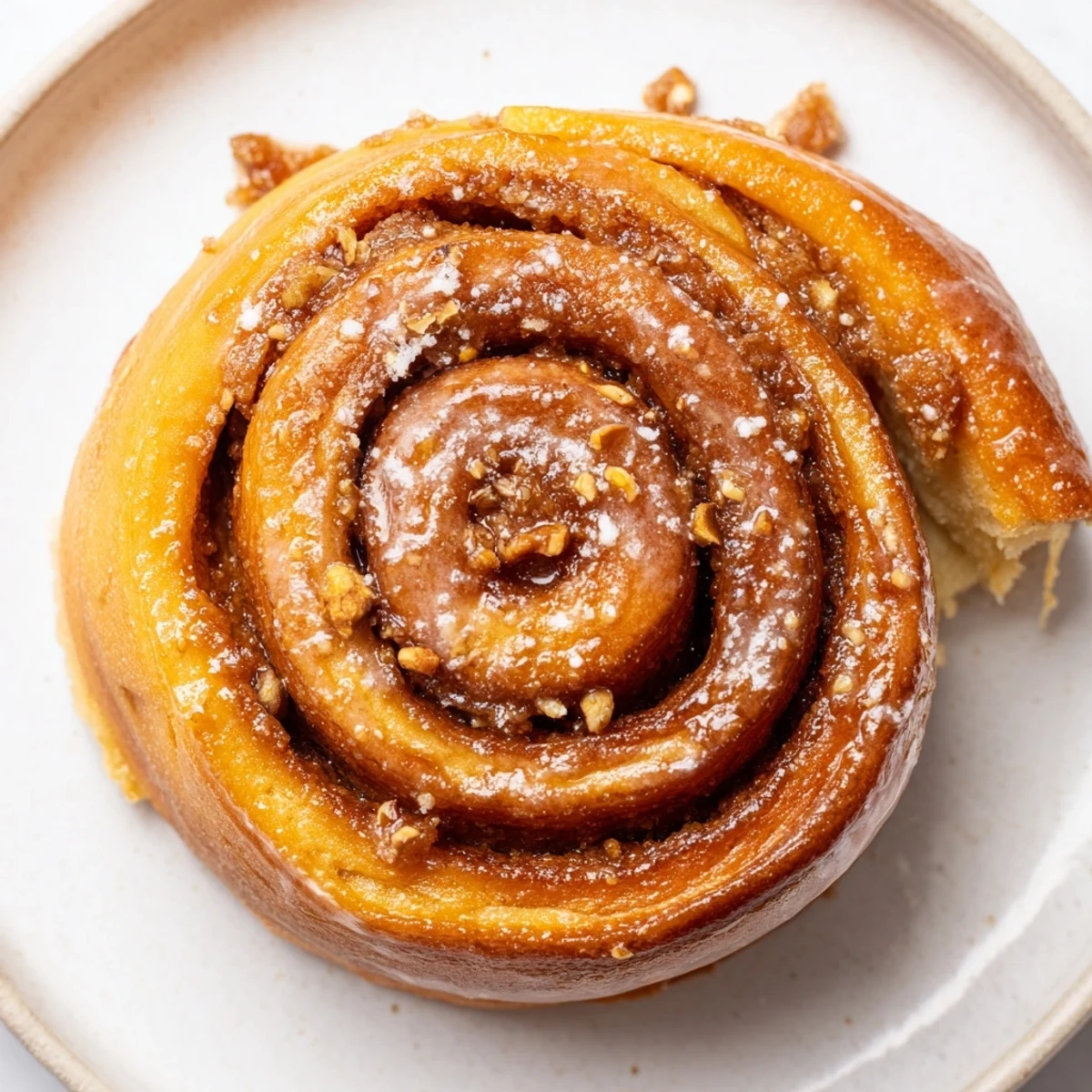
A handful of toasted pecans folded into the filling adds a nutty crunch that plays beautifully with the citrus. If cardamom is not your thing, ground ginger creates a warmer, spicier profile that still pairs wonderfully with orange.
Tools That Actually Help
A stand mixer makes kneading effortless but a wooden spoon and your hands will absolutely work if you are willing to put in the effort. Dental floss for cutting the log is not a gimmick. It genuinely produces cleaner, rounder buns than any knife I have tried.
- Grease your baking dish with butter instead of spray for a slightly crispier bottom on each bun.
- Keep a damp towel handy to cover the dough if your kitchen is dry.
- Always set a timer for rises because it is shockingly easy to forget and overproof when you start scrolling your phone.
 Save
Save Once you have mastered this dough, it becomes a template for whatever flavors you dream up next. Share them generously, because a warm morning bun handed to someone you love is its own kind of language.